Overview
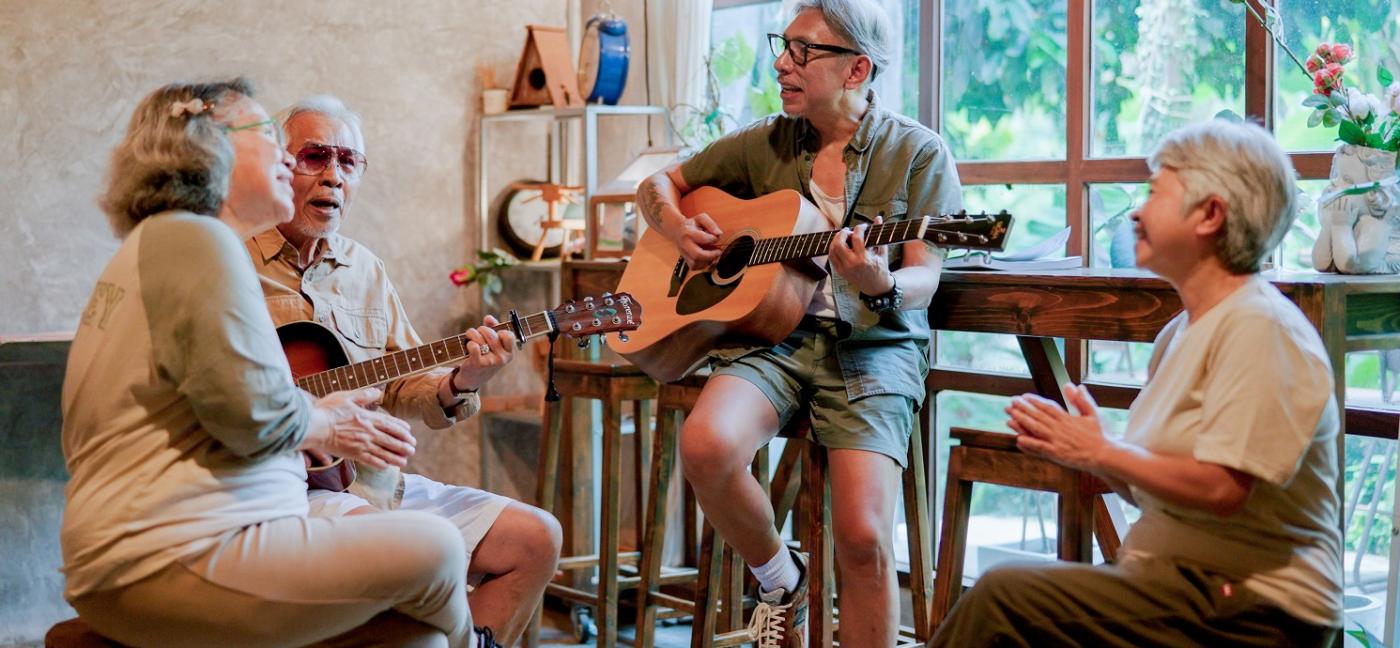
Together, we can create a world where access to music is a right, not a privilege. Join us in our mission to empower people with dementia and those who care for them.
For the lastest information or to get involved please visit the IMDAC website:
Project Details
Evidence
Music interventions have been shown to reduce anxiety, depression, agitation, and loneliness, while improving speech, sleep, appetite, gait, social connection, and overall quality of life. However, these benefits remain largely inaccessible to many communities around the globe.
- Alzheimer’s Disease & Music Engagement: Quality of Life Economic Impact Analysis — Prepared for the NeuroArts Blueprint Initiative by Deloitte
- What Is the Evidence on the Role of the Arts in Improving Health and Well-Being? A Scoping Review —World Health Organization
- Music Intervention for Older Adults: Evidence Map of Systematic Reviews — Research article published in Medicine
IMDAC Manifesto
Music is a fundamental cultural asset, a means of expression and source of wellbeing to which everyone is entitled. “Everyone has the right freely to participate in the cultural life of the community, to enjoy the arts and to share in scientific advancement and its benefits.” UN Declaration of Human Rights Article 27.
Older people and especially those with dementia are often excluded from access to music. Factors that limit access to music include: stigma, ageism, digital exclusion, restrictions in residential and hospital settings or lack of knowledge and training on the potential of music for dementia.
We support local, national and global actions to overcome barriers and facilitate access to music for all older people. Systemic change is needed to increase access to music amongst older people in all countries and all places, whether in their own homes or in group care settings.
Manifesto translations – select a language below: