
Overview
If we can improve brain health in prisons, we can improve it anywhere.
– Brian Lawlor, GBHI Founding Director, Trinity College
Prison populations across the world are ageing at an unprecedented rate, including in Ireland, where the proportion of sentenced prisoners aged 50 years and over stood at 18.2% in 2023, representing a two-fold rise in just one decade. Most prisons are fundamentally not age-friendly and are ill-equipped to meet the complex health, social, and cognitive needs of older persons deprived of liberty—particularly those living with mild cognitive impairment (MCI) or dementia. Older adult prisoners experience significantly poorer health outcomes than age-matched individuals in the community, and incarceration accelerates biological ageing. Further, fundamental questions arise about the purposes of ongoing incarceration for such individuals as well as concerns about how developments in law and policy on assisted decision-making are being applied in the context of incarceration.
The Global Brain Health Institute and the School of Law’s Crime and Punishment Research Group, Trinity College Dublin, collaborated to host a discussion forum on ageing, brain health and cognitive impairment aimed at:
- developing a shared understanding of how ageing, brain health and cognitive impairment intersect within the prison environment;
- identifying and synthesizing existing evidence, data sources, policy initiatives, and practices on ageing, brain health, and cognitive impairment among prison populations;
- proposing an agenda for future research and policy engagement on the subject at the domestic level; and
- creating a multidisciplinary space for ongoing dialogue and collaboration.
Project Details
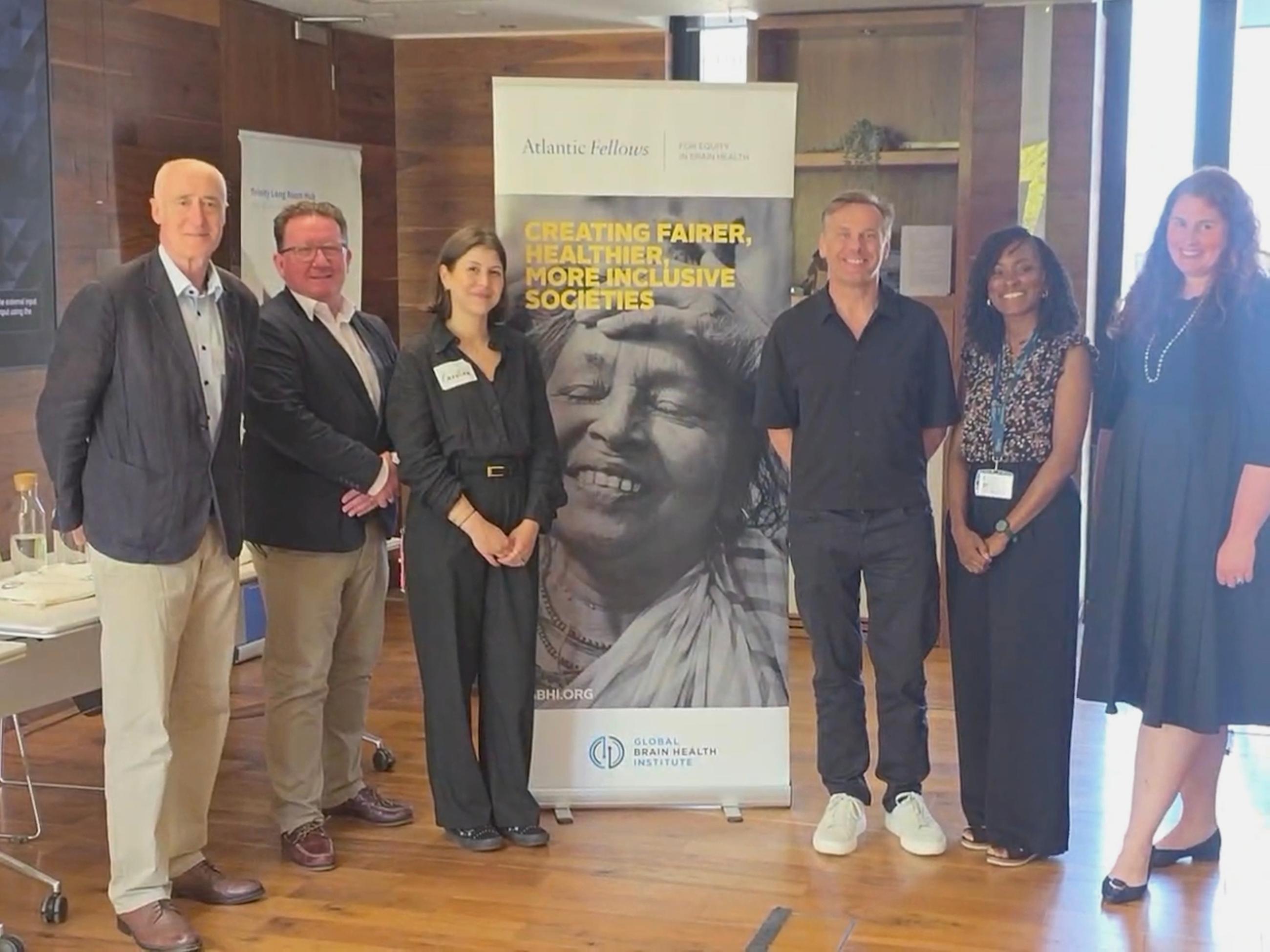
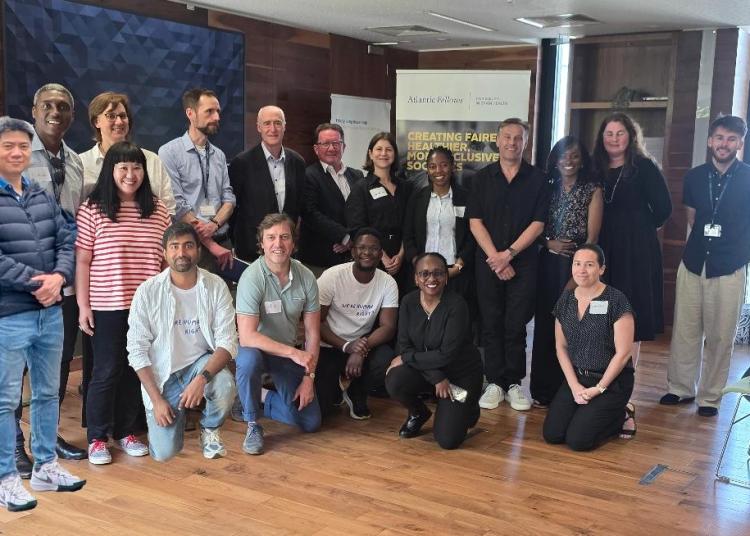
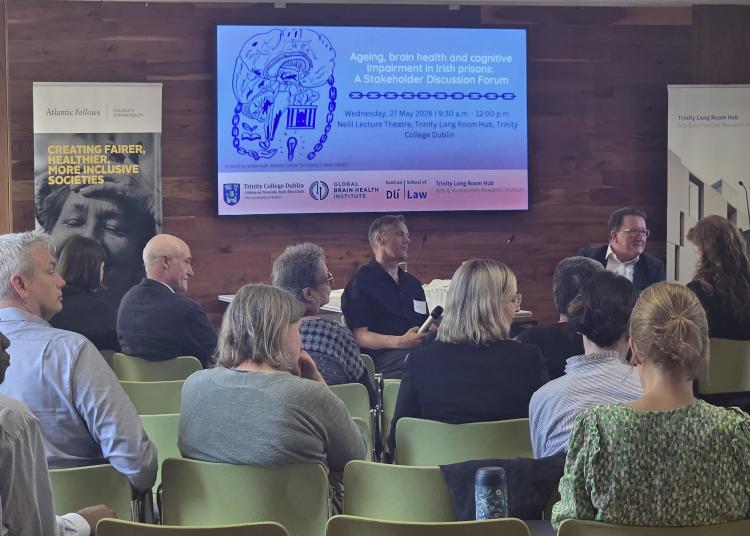
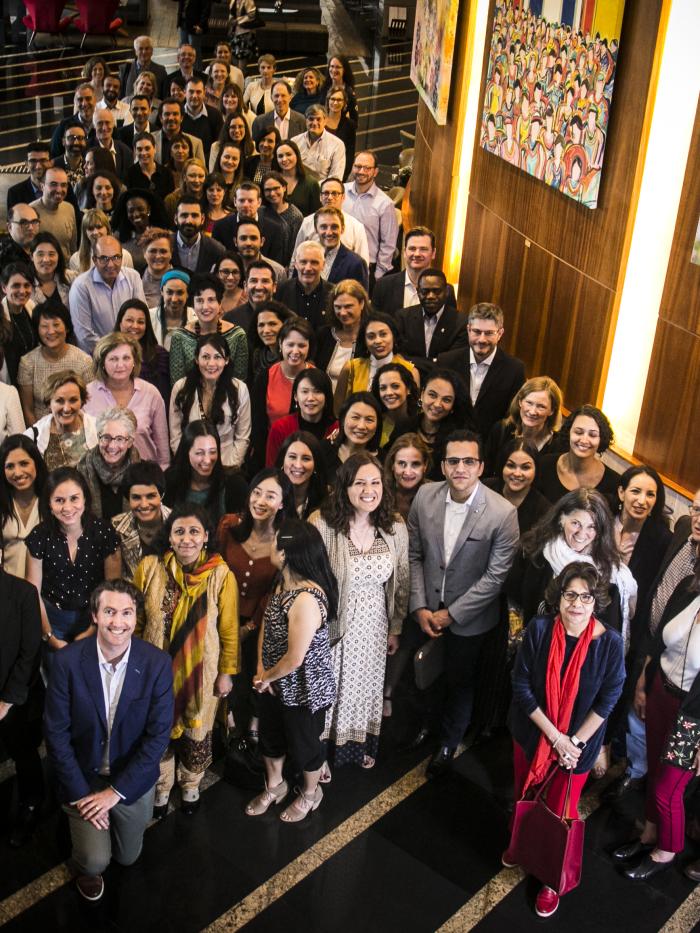
On the 27th May, 2026, forty-four (44) participants, representing over 20 different organisations, several professional disciplines and areas of expertise, gathered in the Neill Lecture Theatre, Trinity Long Room Hub, Trinity College Dublin for the discussion forum on ageing, brain health and cognitive impairment in Irish prisons.
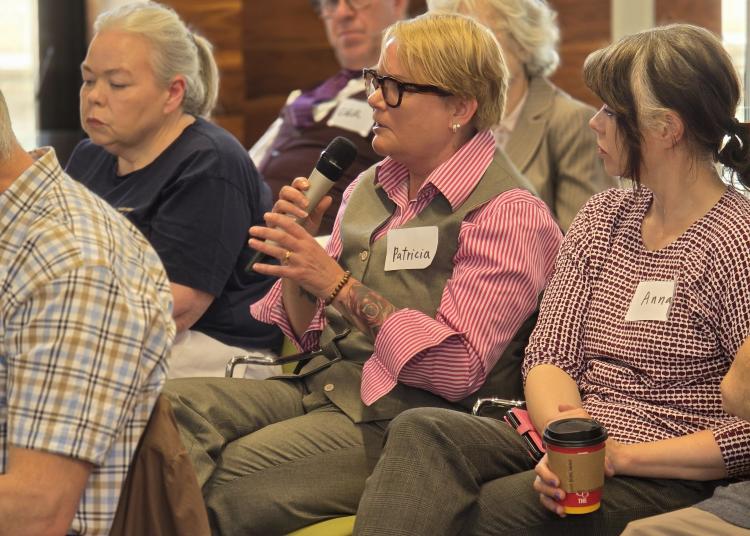
The forum included an introductory presentation on ageing, brain health and cognitive impairment in prisons, a brief presentation on dementia health care in the Irish Prison System, as well as three (3), 40-minute facilitated discussion sessions. The forum was the start of an important conversation among a multidisciplinary cohort of experts, including persons with lived experience, to examine the intersection of ageing, brain health and cognitive impairment, identify concrete actions and next steps to inform future research, practice and policy development.
The following priority actions or next steps were identified:
- preparation and dissemination of a report of the discussion forum;
- creation of a Working Group to advance work on obtaining data on dementia in prisons, such as through the establishment of a registry;
- provision of support for brain health initiatives in prisons, including co-creating training on brain health for prison staff; and
- collaboration on advancing access to assisted decision-making (capacity) and advance planning mechanisms, such as Advance Healthcare Directives, for persons deprived of liberty in prison settings.
With the final report available below, the project advances to the next steps (2-4) mentioned above.
Publications
- Global Brain Health Institute and Crime and Punishment Research Group, School of Law, Trinity College Dublin (June 2026) Discussion Forum on Ageing, Brain Health and Cognitive Impairment in Irish Prisons: Final Report. Dublin: Trinity College Dublin.
- What we can learn and what we must do — presentation by Brian Lawlor, GBHI Founding Director, Trinity College.
Join Us
If you would like to collaborate with us on this project, please complete the registration form below.
Members involved









Gallery