In this perspective, Atlantic Fellow Mawuli Lawson reflects on how Ahonhon Talk is bringing people together to build momentum for dementia awareness, research, education, and care in Togo.
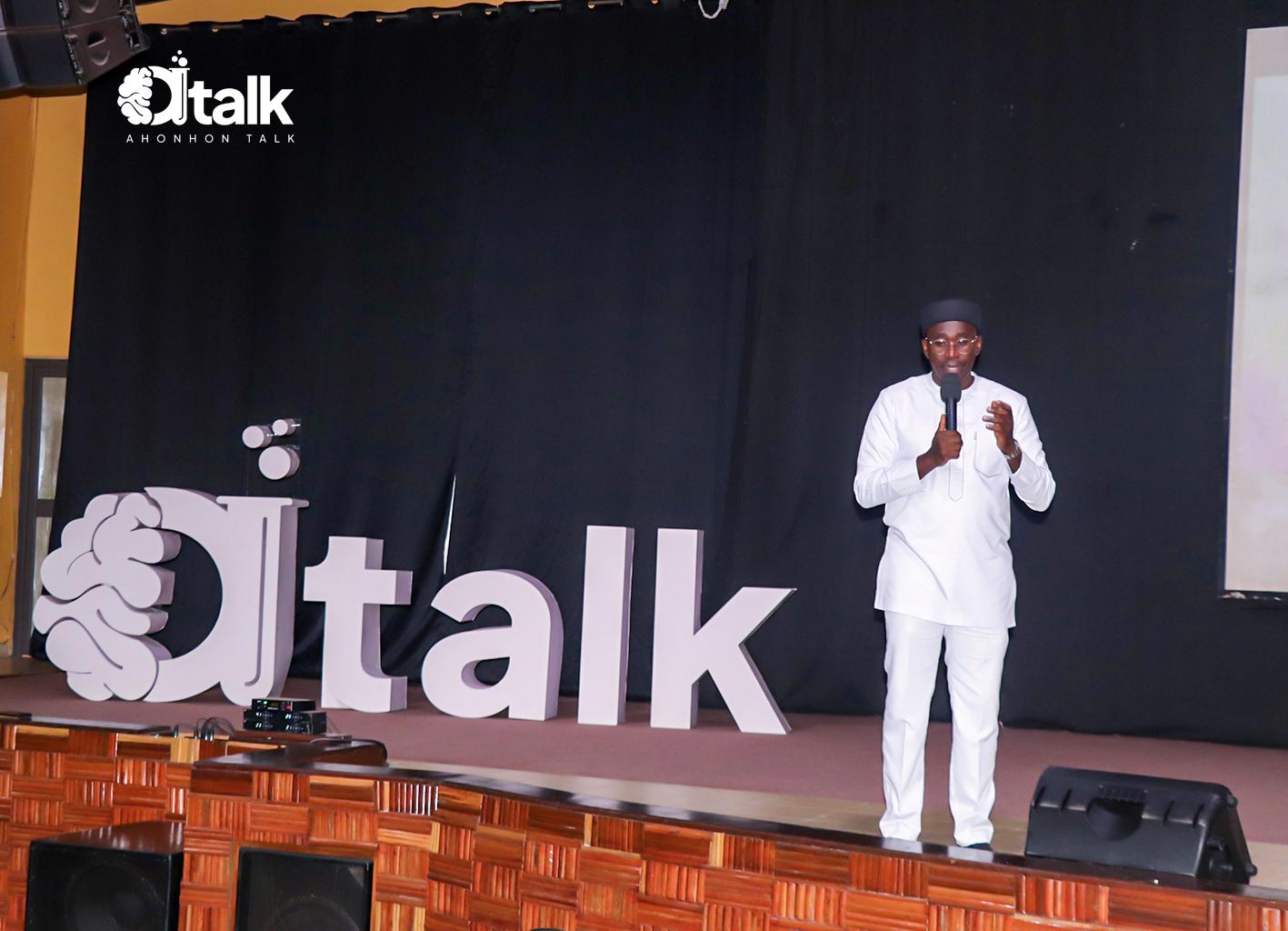
Atlantic Fellow Mawuli Lawson shares opportunities to strengthen dementia prevention and research in Togo during Ahonhon Talk.
In Togo, a French-speaking West African country, a quiet movement called Ahonhon Talk is taking root to confront the growing challenge of dementia. Ahonhon means “brain” in Guingbé, a market language spoken across Togo.
The idea is simple but urgent: bring researchers, policymakers, people living with dementia, caregivers, families, and health leaders together in one space to catalyze action in a nation with no national dementia strategy and few specialists available to tackle the growing impact of dementia.
On June 15, that space opened again at the Agora Senghor auditorium in Lomé. The theme, “Dementia in Togo: Challenges and Perspectives,” set the tone for a day that would move from data to dialogue and from science to lived experience.
Victor Valcour, MD, PhD, site director, and Matenyeh Kaba, MA, international program coordinator, of the Global Brain Health Institute (GBHI) at the University of California, San Francisco (UCSF), joined several Togolese leaders to guide a day of discussions on diverse approaches to dementia awareness, research, and care.
This Ahonhon Talk began with opening remarks on behalf of the president of the University of Lomé from Assogba Komi, MD, a neurologist at Lomé’s Public Teaching Hospital and faculty member at the School of Medicine.
With the stage set, Koko Suzanne, a short film by Atlantic Fellows Emmanuel Epenge, MD, and Zach Bandler about a young girl’s experience of her grandmother’s life with dementia, was then played. The film grounded the audience in the lived experience of dementia, depicting how families and communities like those in Togo are affected.
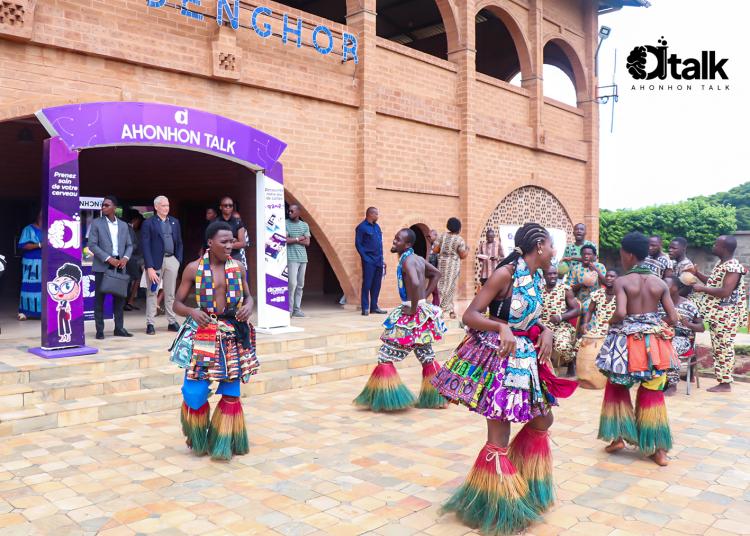
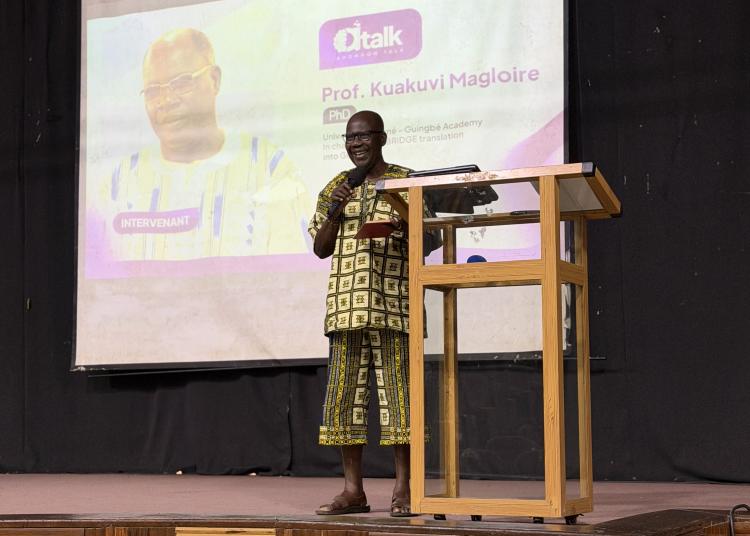
Traditional music and dance welcome participants to Ahonhon Talk (left). Magloire Kuakuvi discusses the translation and cultural adaptation of the BRIDGE Cognitive Assessment Battery into Guingbé (right).
Sharing Knowledge, Building Capacity
The conversation then turned to evidence. Atlantic Fellow Mawuli Lawson, PhD, delivered the first presentation, “The Potential for Dementia Prevention in Africa,” anchoring the audience in regional data and clear actionable priorities. Valcour followed with “Dementia and HIV,” drawing on his years of experience as a specialist in HIV and aging. Kaba then presented on “Dementia Research Project Coordination and Operational Management,” offering a blueprint for building and sustaining research programs across continents.
The focus then narrowed to dementia prevention via research capacity building. Lawson, the principal investigator for the Togo site of the Bridging Research Infrastructure in Dementia for Global Equity (BRIDGE) project, presented plans to culturally adapt the BRIDGE Cognitive Assessment Battery for use in Togo. Magloire Kuakuvi, PhD, who coordinates the translation into Guingbé and collaborates with Lawson to further culturally adapt the battery, followed with lessons from undergoing this rigorous process.
This was not simply a matter of translating the BRIDGE Battery from English to Guingbé. New words for dementia, memory as a cognitive function, and cognitive decline had to be introduced into the local language. The room became a workshop as attendees weighed in and explored deeper into the authenticity of these new words to their ears and lives. This offered a powerful reminder that cognitive assessment tools mean little if they do not reflect the lived experiences and realities of the people they intend to serve.
This offered a powerful reminder that cognitive assessment tools mean little if they do not reflect the lived experiences and realities of the people they intend to serve.
—Atlantic Fellow Mawuli Lawson
By midday, the podium opened to the audience. A panel discussion and Q&A drew contributions from caregivers who understand through hands-on practice, clinicians who face it in crowded wards, and students who will inherit the challenge.
In addition to science and linguistics, Togolese culture was also woven into this Ahonhon Talk. Folkloric performances by a cultural troupe integrated music and movement between scientific sessions, underscoring that brain health is not separate from identity, art, or community.
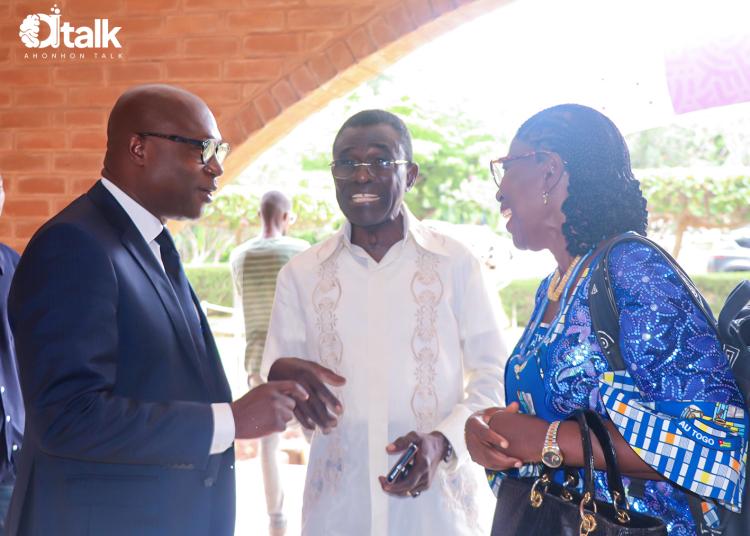
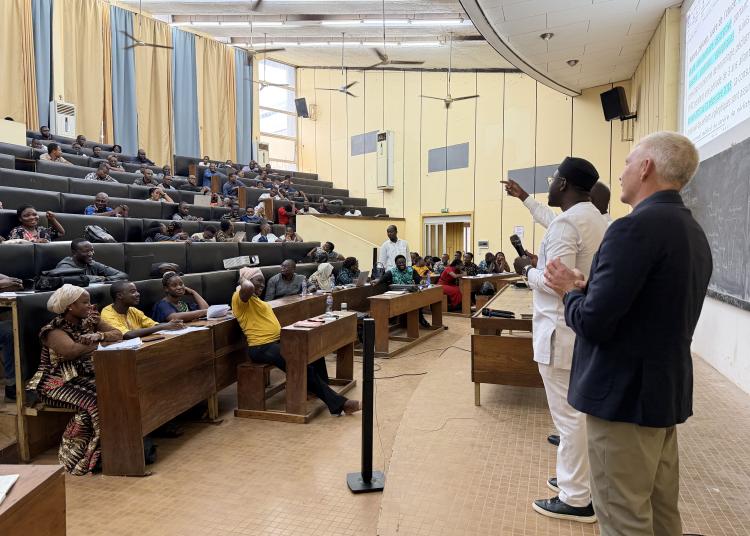
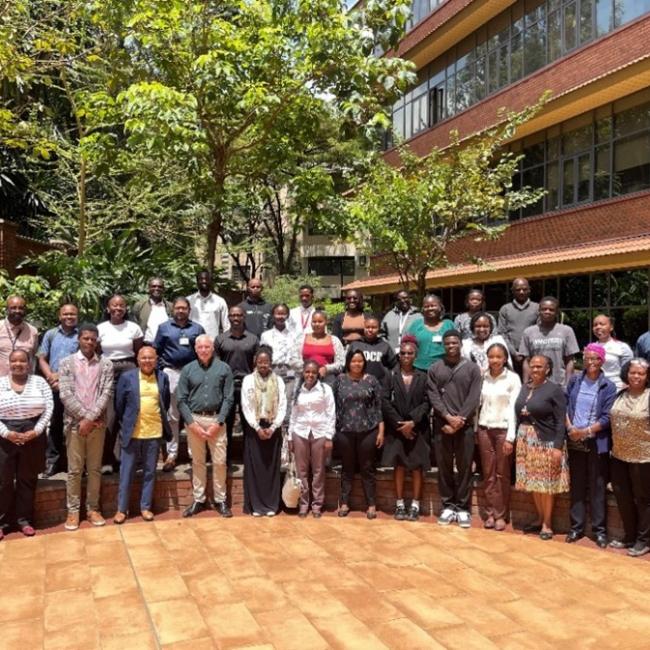
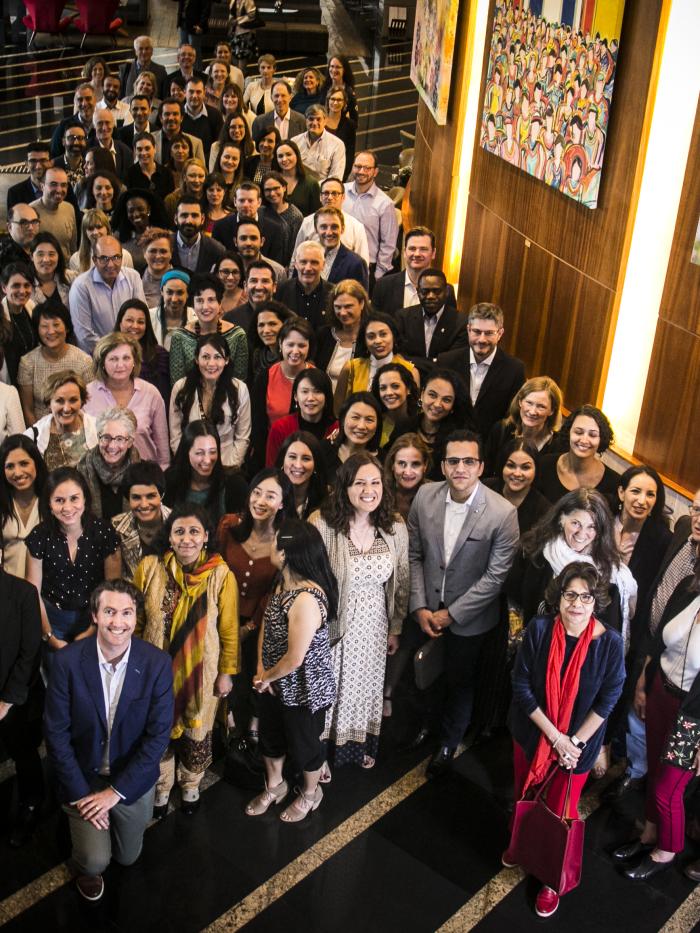
Participants connect and exchange ideas during Ahonhon Talk (left). Didier Koumavi Ekouevi, Mawuli Lawson, Victor Valcour, and colleagues speak with medical interns at the University of Lomé about dementia, research, and building brain health leadership in Togo (right; photo by Matenyeh Kaba).
Preparing the Next Generation
In the afternoon, the conversation continued at the University of Lomé’s School of Medicine. There, Lawson, Valcour, Kaba, and members of the Ahonhon Center team met with Deputy Dean Aboudoulatif Diallo, PhD, for a meaningful conversation on the need for a dedicated dementia curriculum for Togolese physician trainees. Diallo acknowledged the gap and expressed openness to developing a course that will help prepare the next generation.
The final stop on this visit was to a research methodology class for medical interns, led by Didier Koumavi Ekouevi, MD, PhD, head of the Department of Public Health. Valcour spoke to the interns about his work in dementia and HIV, as well as his leadership at GBHI at UCSF. Lawson then described the work of building dementia research infrastructure in Togo from the ground up and the rigorous task of adapting cognitive assessment tools into Guingbé. The students responded with questions that were sharp, curious, and engaged.
As the sun set on the visit, it was clear this was more than a one-day gathering. Ahonhon Talk strengthened a movement already growing in Togo and brought new partners into the work of advancing dementia awareness, research, education, and care. The seeds have been planted. Continued commitment and collaboration will help them grow.
Listen: Hear more from Mawuli Lawson on the Brain Bridges podcast, where he shares his journey and efforts to build brain health research and care in Togo.
Authors
Mawuli Lawson, PhD
Clinical Neuropsychologist
GBHI Members Mentioned
Victor Valcour, MD, PhD
Site Director, University of California, San Francisco
Matenyeh Kaba, MA
International Program Coordinator
Emmanuel Epenge, MD
Neurologist
Zach Bandler
Film Director and Screenwriter