In this perspective, Atlantic Fellow Dzifa Dellor reflects on welcoming her cohort to Ghana for their first in-person learning intensive and what the experience taught them about how community, culture and history shape brain health and dementia care.
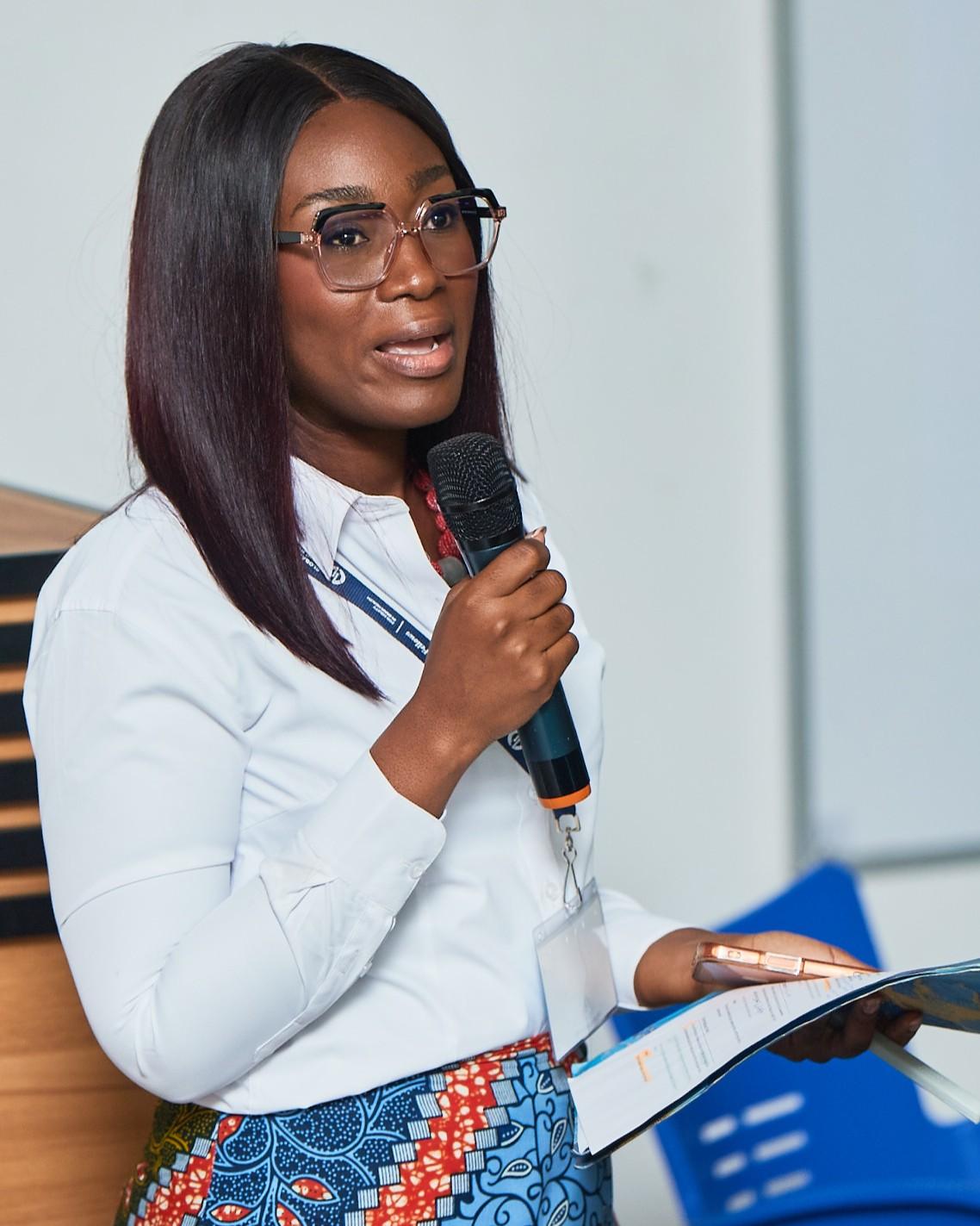
Atlantic Fellow Dzifa Dellor moderates a roundtable on dementia diagnosis and care at Korle Bu Teaching Hospital during the Ghana intensive. Photo by Enter First Media.
When I learned my cohort of Atlantic Fellows for Equity in Brain Health would be travelling to Ghana for our first in-person learning intensive, I first felt pride, then responsibility. I did not want my colleagues to see Ghana only through conference rooms. I wanted them to understand what shapes brain health here: our families, our faith, our history and our health system.
Over eight days, the intensive brought us together to learn from one another and engage with local communities. For me, it was a chance to bring that learning home.
Learning from communities
That context came into focus at the Expert Roundtable on dementia diagnosis and care, which I had the privilege of moderating. Our four panelists brought perspectives from clinical practice, policy, community work and the church: Dr. Amma Boadu, Deputy Director for Mental Health at the Ghana Health Service; Dr. Kodwo Nkromah, neurologist and Head of the Department of Internal Medicine; Venance Dey, Executive Director of the Alzheimer’s Disease and Related Disorders Association of Ghana; and Rev. Dr. Edwin Nyarko of Faith Temple Church International.
I asked them to talk with one another rather than present in turn. We began with stigma, because in many Ghanaian communities memory loss may be understood spiritually before it is understood medically, and that shapes when families come forward.
We then followed the family's path: what an accurate diagnosis costs, who can access one, and where funding falls short. We heard how churches and communities already carry much of the caregiving, and we ended with policy, including whether the National Health Insurance Scheme (NHIS) can include dementia care. The thread running through it all was that solutions must grow from Ghana's own communities and institutions.
One moment that stayed with me was a panelist’s account of how participation in an awareness campaign grew when the organisers expanded their approach beyond local government institutions and made chiefs key collaborators. This resonated with the deep cultural roots of respect and reverence for chiefs among their people.
A few days after the roundtable, we saw that community support in action at the Memory Café, organised by Atlantic Fellows Salley Yalley and Kwaku Sarfo Manu, with my support. The outdoor gathering brought together caregivers, doctors, and medical students. Held in partnership with Alzheimer’s & Related Disorders Association of Ghana, the Student Interest Group in Neurology (SIGN), Ghana Chapter, and the University of Ghana Medical Students’ Association, it offered a relaxed space for games, conversation, and laughter, reminding caregivers they are not alone.
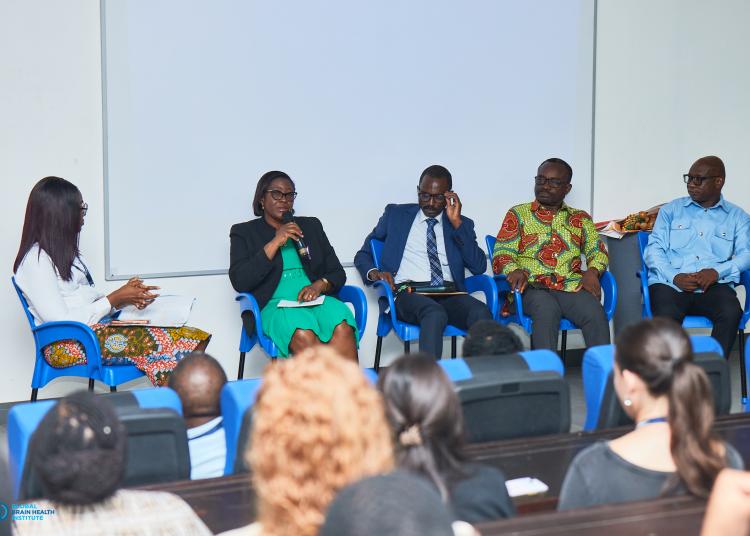
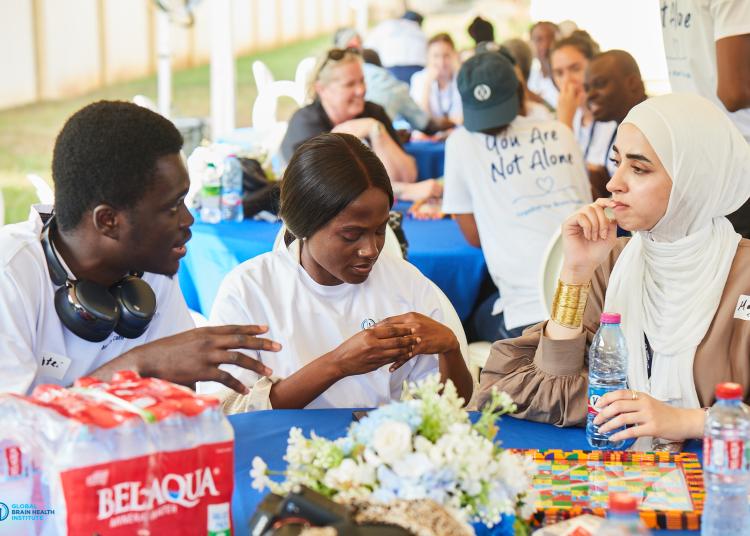
Panelists discuss dementia stigma, access to diagnosis and support for caregivers (left). Participants share a conversation at the outdoor Memory Café in Accra (right). Photos by Enter First Media.
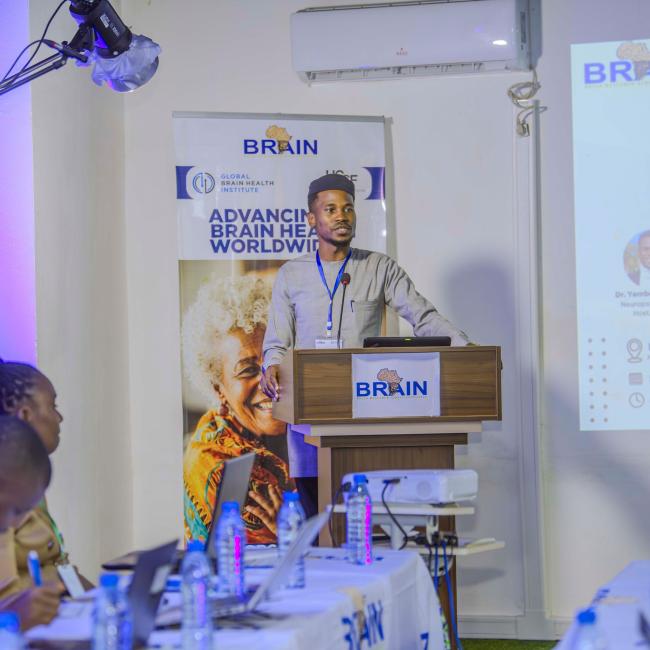
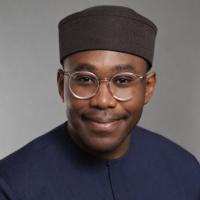
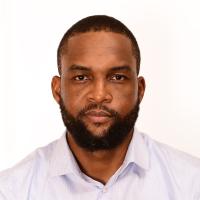
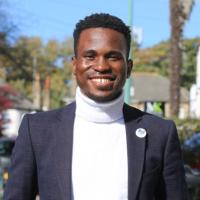
Throughout the intensive, we also learned from Atlantic Fellows Doyin Ogunyemi, Mawuli Lawson, John-Paul Omuojine and Yembe Njamnshi through formal sessions and fireside chats. Their willingness to share their experiences and knowledge made us feel welcome in the GBHI family.
I wanted them to understand what shapes brain health here: our families, our faith, our history and our health system.
—Atlantic Fellow Dzifa Dellor
History, culture and connection
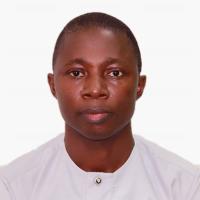
Context also means history. Midway through the intensive, we travelled to Cape Coast, neuroscientist and Atlantic Fellow David Larbi Simpong, a faculty member at the University of Cape Coast (UCC), facilitated our visit. Faculty welcomed us, we toured UCC, and we heard about David’s work.
The following day, at Elmina Castle, we confronted the history of the transatlantic slave trade. The long debriefing sessions that followed asked hard questions about its impact and whether it has truly ended. For a community committed to brain health equity, the visit reminded us that inequity has a history.
Earlier in the intensive, visits to Black Star Square and the Kwame Nkrumah Memorial Museum in Accra reminded us that Ghana's story is one of self-determination. That is the spirit I hope the fellows carry into their own work.
Between sessions, Ghana did what Ghana does best. We walked through the markets around Cape Coast, talked with the market women, and the fellows experienced Ghanaian hospitality first-hand. I enjoyed introducing everyone to Ghanaian food and teaching some fellows to eat banku with their fingers, the proper way. They also discovered the richness of shea butter and the purity of Ghanaian black soap.
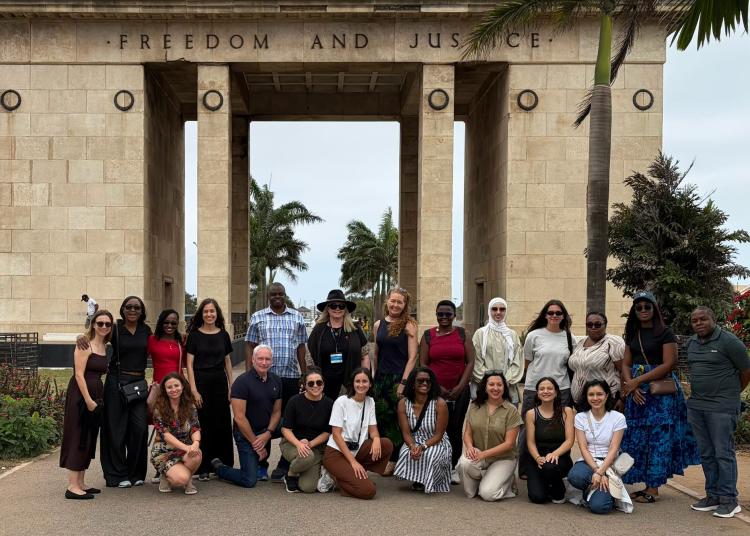
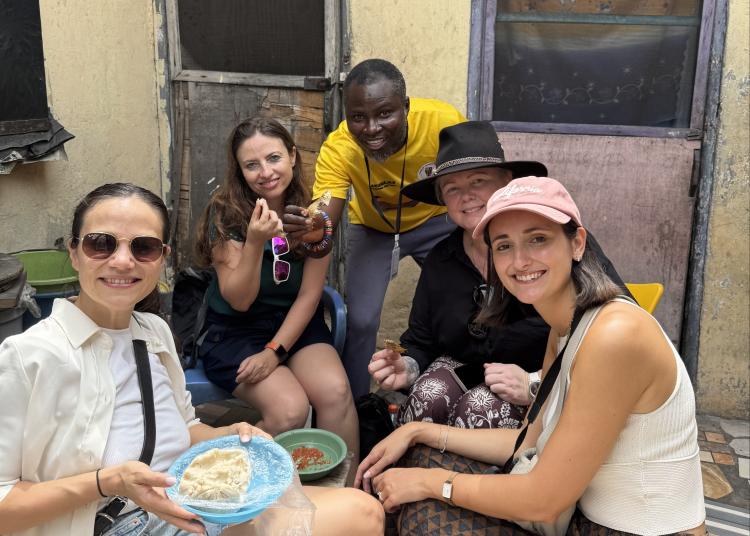
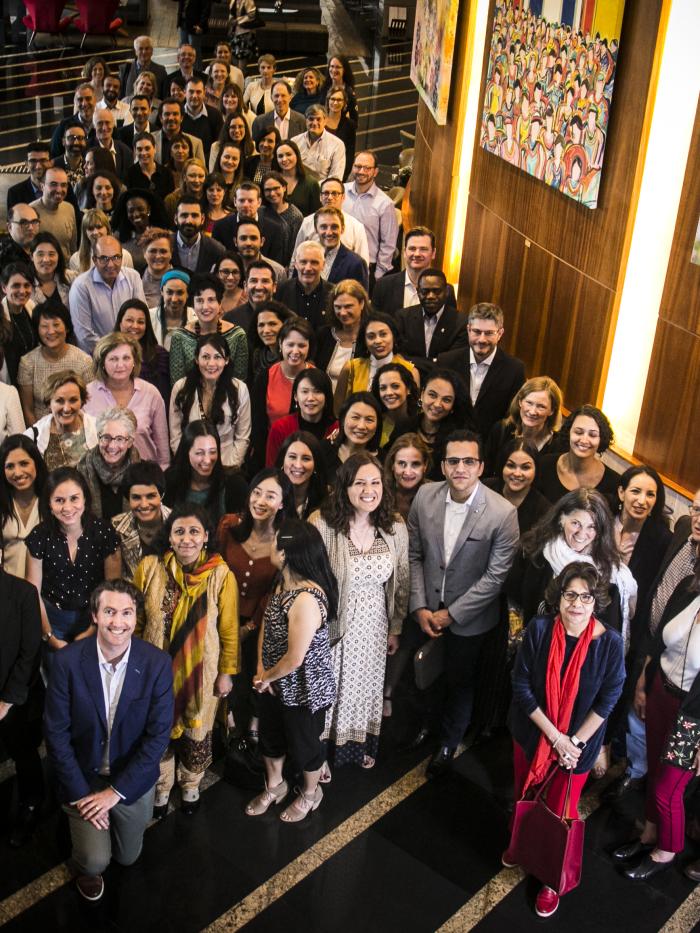
Atlantic Fellows and colleagues gather at Black Star Square in Accra, a landmark commemorating Ghana’s independence (left). Fellows try banku, one of the Ghanaian dishes Dzifa introduced to her cohort (right).Left photo courtesy of GBHI. Right photo courtesy of Chiara Gallingani.
To future fellows: come curious and bring your own context. The fellowship connects you to a network committed to reducing the scale and impact of dementia worldwide, but the work happens at home, with your own institutions and communities. I am grateful to our local hosts and organisers, every fellow, panelist and community member who shared their time, knowledge and hospitality, and GBHI for making this intensive possible.
Authors
Dzifa Dellor, MBChB
Psychiatrist
GBHI Members Mentioned

Sally Yalley, MD, MSc
Medical Doctor, Dementia Advocate
Kwaku Sarfo Manu, MBChB, MPH
General Medical Practitioner
Doyin Ogunyemi, MBBS, MA, FWACP
Public Health Physician
Mawuli Lawson, PhD
Clinical Neuropsychologist
John-Paul Omuojine, MBChB, FWACP,
Psychiatrist
Wepnyu Yembe Njamnshi, MD, MSc
Physician, Researcher, Musician
David Larbi Simpong, PhD, MPhil, BSc
Neuroscientist