

Overview
Dementia affects individuals, families, and caregivers worldwide. Early diagnosis allows patients to receive better care and maintain a higher quality of life. However, in Nepal, dementia is often overlooked in its early stages, leading to missed diagnoses and poorer outcomes. With an aging population, Nepal is expected to see a significant rise in dementia cases. This project aims to improve how dementia is assessed and diagnosed in the country.
Project Details
This project focuses on enhancing dementia assessment and diagnosis in Nepal through two key strategies. First, we will conduct structured interviews with 20 dementia specialists across Nepal to identify barriers to early detection and areas for improvement. These insights will help us understand current diagnostic gaps and inform better dementia care practices. Second, we will partner with the Chitwan Valley Family Study–Study of Cognition and Ageing in Nepal (CVFS-SCAN), an NIH-funded prevalence study, to adapt and validate the HCAP battery, a widely recognized cognitive assessment tool. A pilot study involving 40 participants (20 diagnosed with dementia and 20 healthy controls) will be conducted to refine the tool’s effectiveness in Nepalese cultural and linguistic contexts. The findings from these efforts will guide policymakers in improving dementia diagnosis and treatment, ultimately enhancing the quality of life for those affected by the disease.
Members involved

Gallery
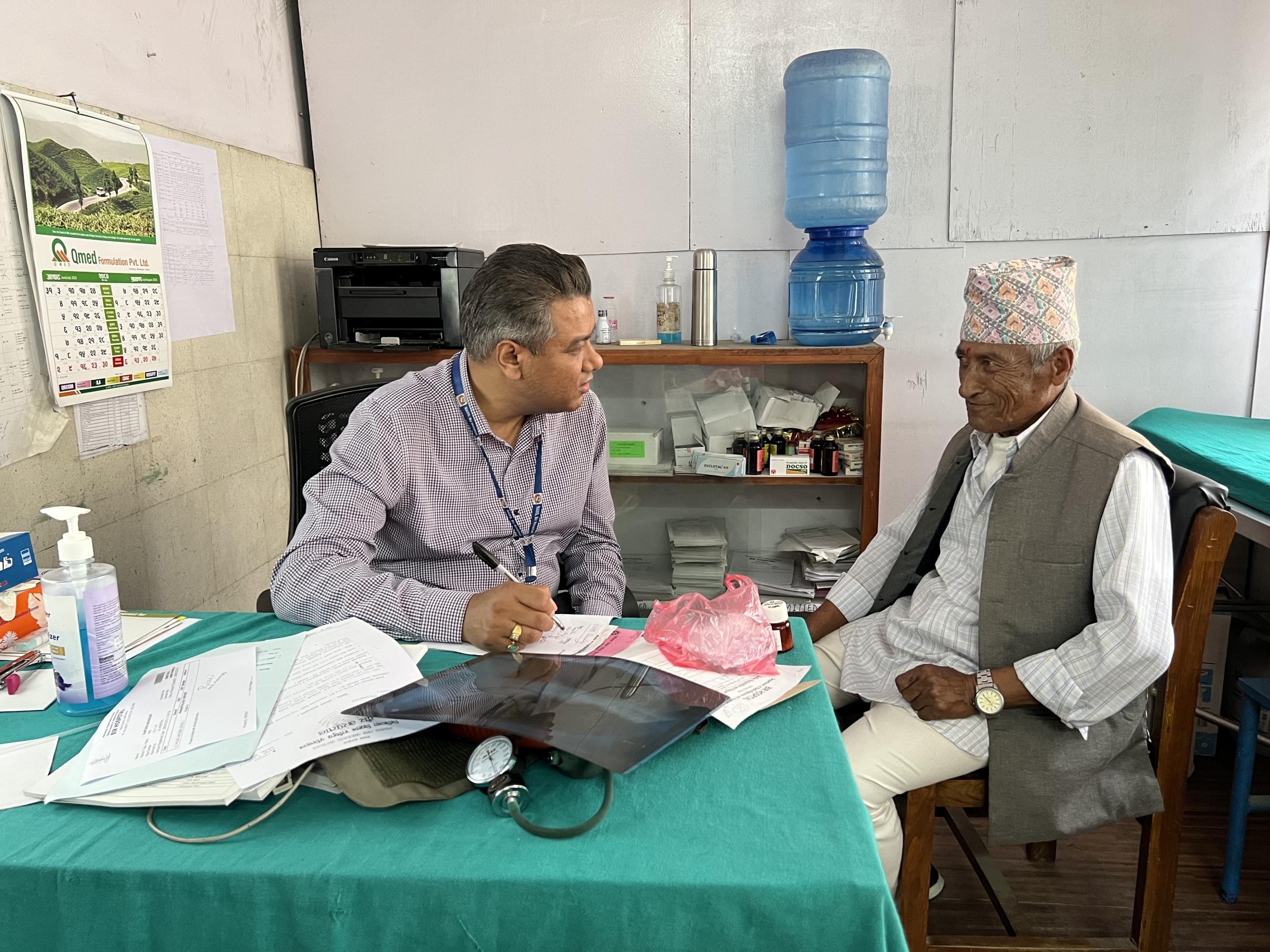
Umesh Bogati in the geriatric outpatient clinic in Nepal
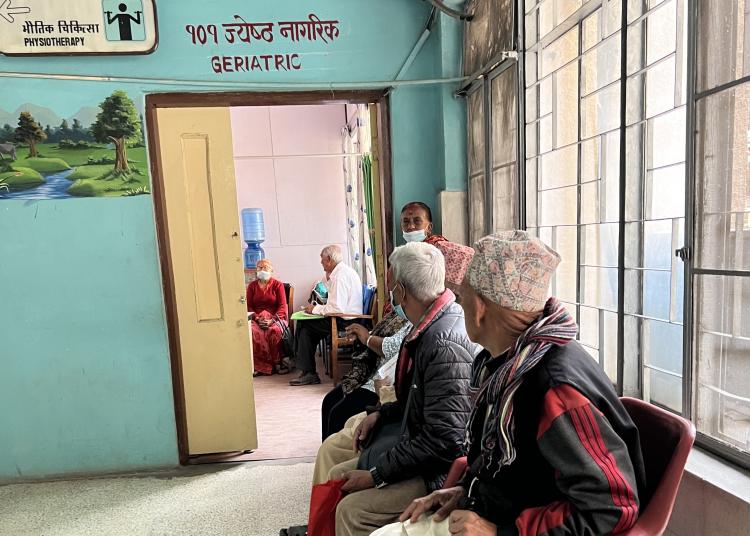
Older adults waiting at geriatric clinic in Nepal
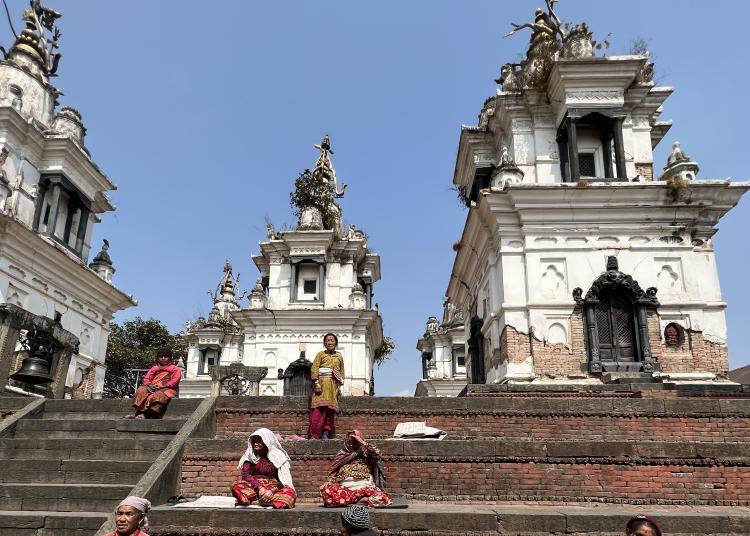
Older adults gathered outside a care home in Nepal

Older adult women in Nepal
Featured Collaborators