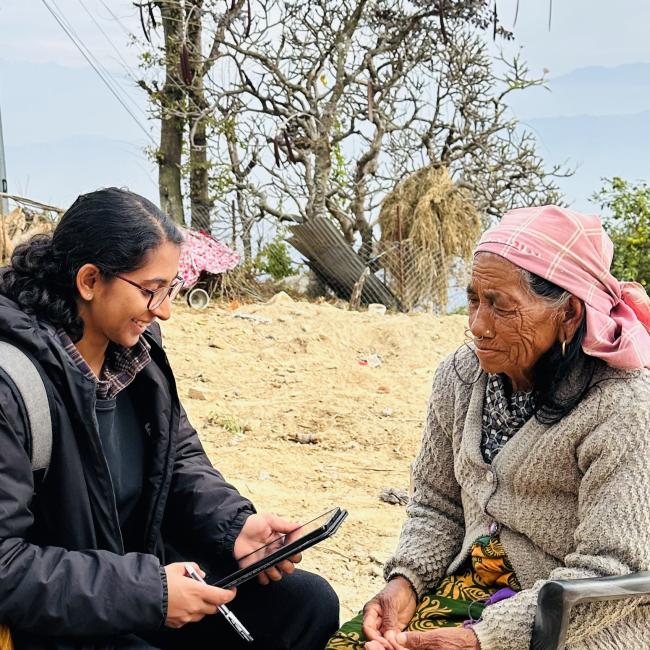
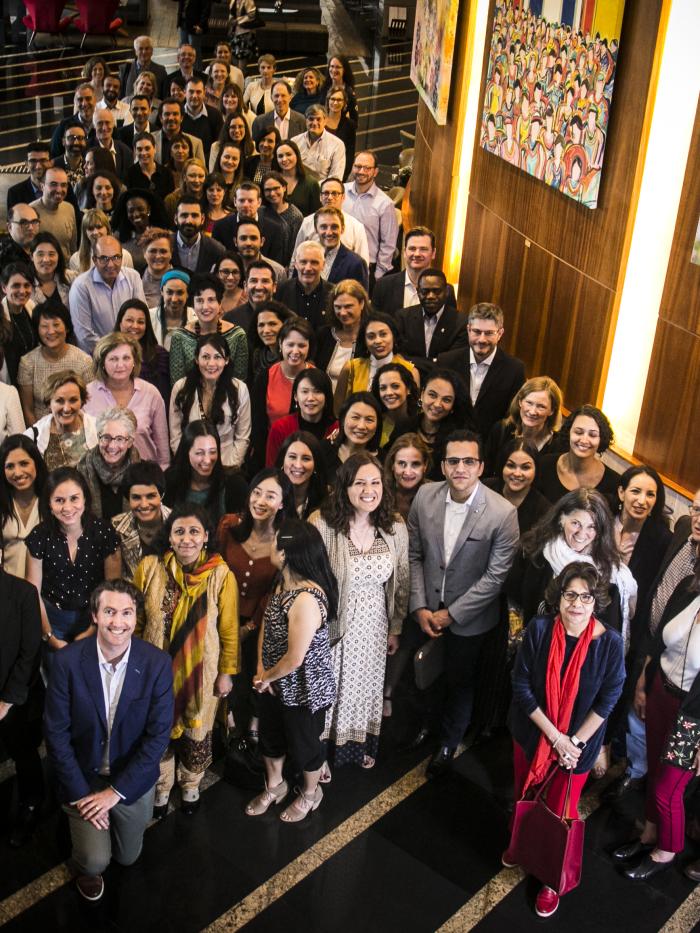
Despite the global burden of dementia, research remains dominated by high-income, Western populations, limiting the generalizability and equity of findings. In this Perspective, we highlight the importance of diversity and inclusion in dementia research, not only in study participants but also in the researchers, study design, and funding priorities. We describe how the lack of representation creates knowledge gaps and delays progress in prevention, diagnosis, and treatment. We also present examples of initiatives that are working to change this, including the Alzheimer's Disease Data Initiative and the William H. Gates Sr. Fellowship program, which supports open science, international collaboration, and early-career researchers from underrepresented regions. These efforts demonstrate that diversity is not only an ethical goal, but a scientific need. More inclusive and global research could lead to discoveries that are more generalizable, more globally applicable, and better able to inform strategies to address dementia across all communities. HIGHLIGHTS: Prioritize representation in datasets across ethnicity, geography, sex/gender, and socio-economic status. Support early-career researchers from underrepresented regions with long-term funding and mentorship. Standardize and adapt tools (cognitive, clinical, genomic) across cultural and linguistic contexts. Promote open science through equitable, federated data sharing platforms, and embed community engagement from research design to dissemination. Value diversity as a driver of discovery, not as a confounder.