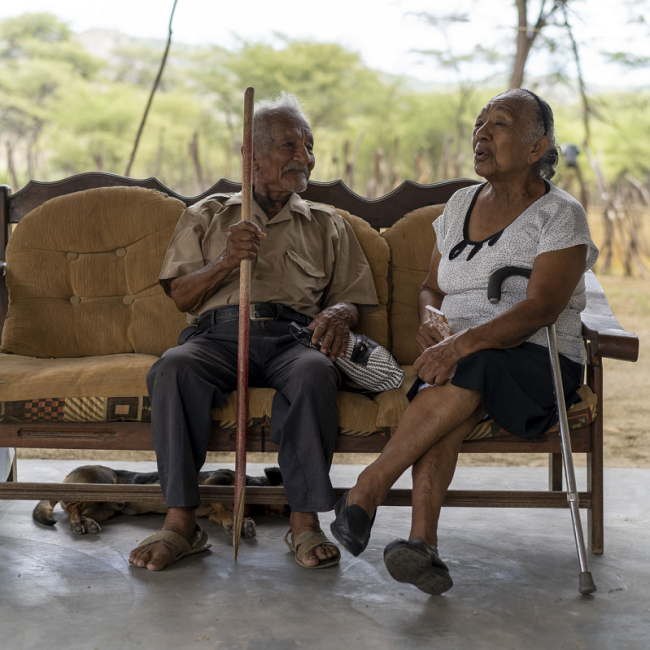
In this perspective, Atlantic Fellows Aline Haas and Magda Kaczmarska synthesize emerging evidence on dance as a brain health intervention and reflect on what it will take to turn encouraging findings into meaningful, equitable action worldwide.
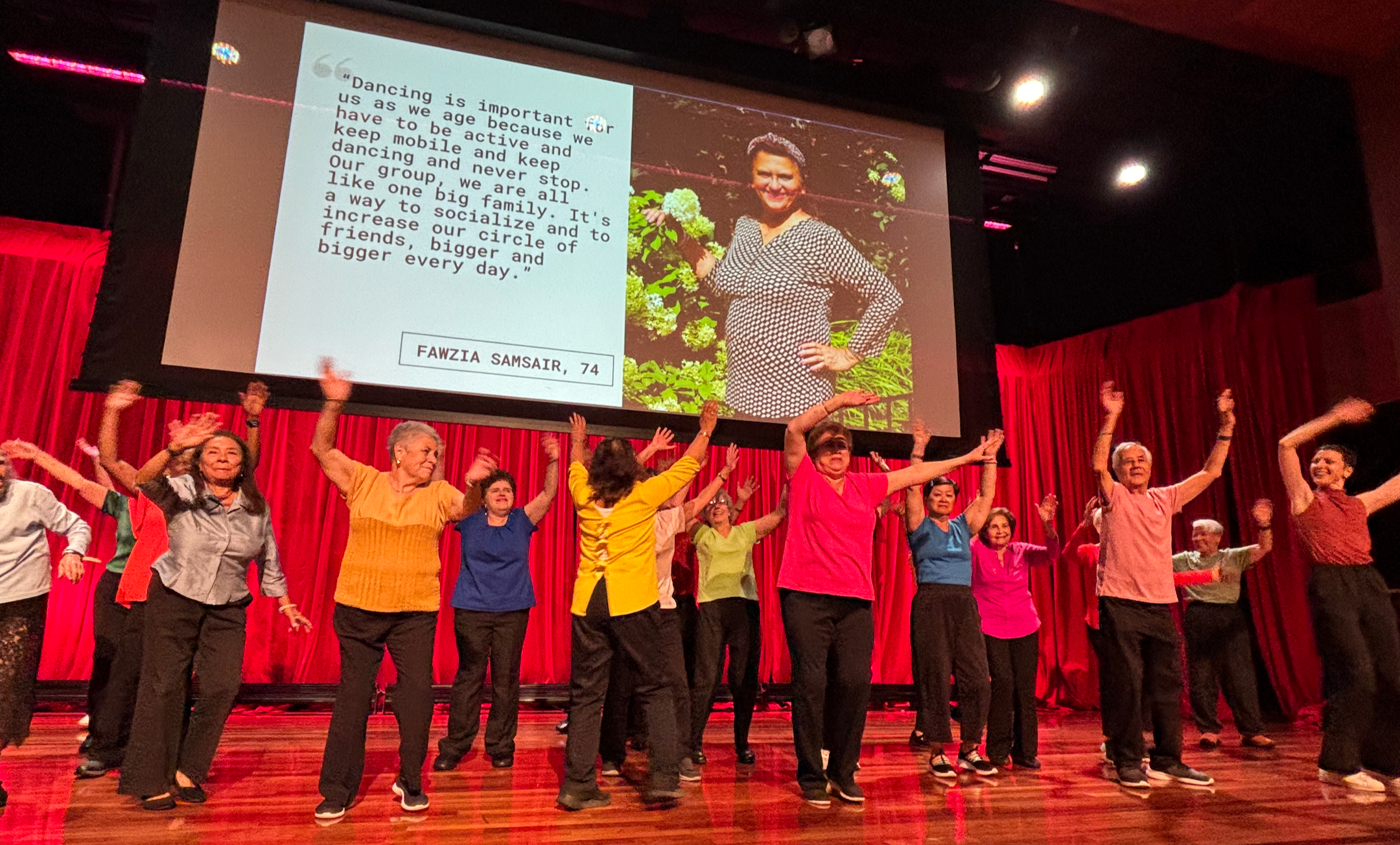
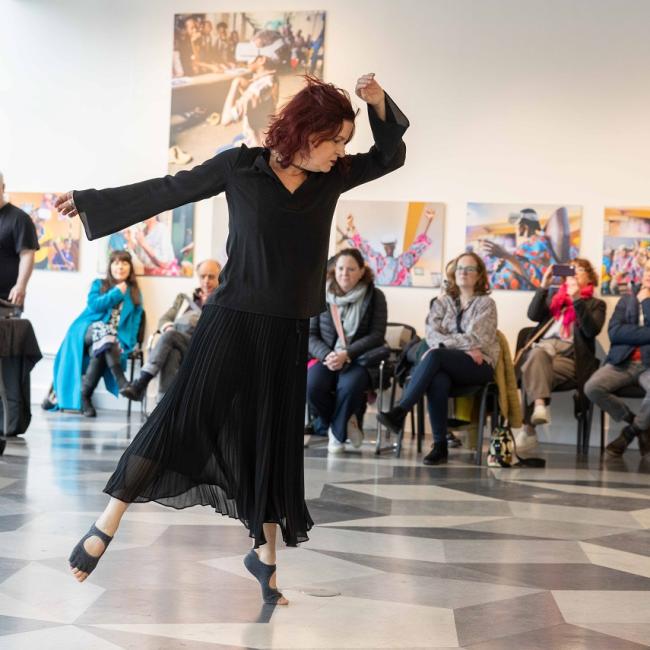
A joyful moment from a community dance performance at UNGA Healing Arts Week, celebrating connection, movement, and collective expression. Photo credit: Carole De Santis
Why Dance Matters for Brain Health
Population aging and the growing prevalence of dementia create an urgent global challenge: we need effective, scalable, and culturally adaptable non-pharmacological interventions to support brain health across the life course. As the recognition of — and demand — for dance as a health intervention grows globally, alongside increasing appreciation of the role of lifestyle interventions in shaping dementia risk , a clearer and more systematic understanding of existing evidence is needed to inform practice and guide future research.
In this context, and driven by Atlantic Fellows for Equity in Brain Health Aline Haas and Magda Kaczmarska, the article Effects of dance interventions on brain health for older adults with cognitive impairment: an umbrella review was recently published in BMC Geriatrics. The umbrella review, a high-level overview of a large and complex body of evidence intended to identify consensus or gaps, and inform decision-making, synthesizes current evidence on the impact of dance on brain health for older adults living with mild cognitive impairment (MCI) or dementia.
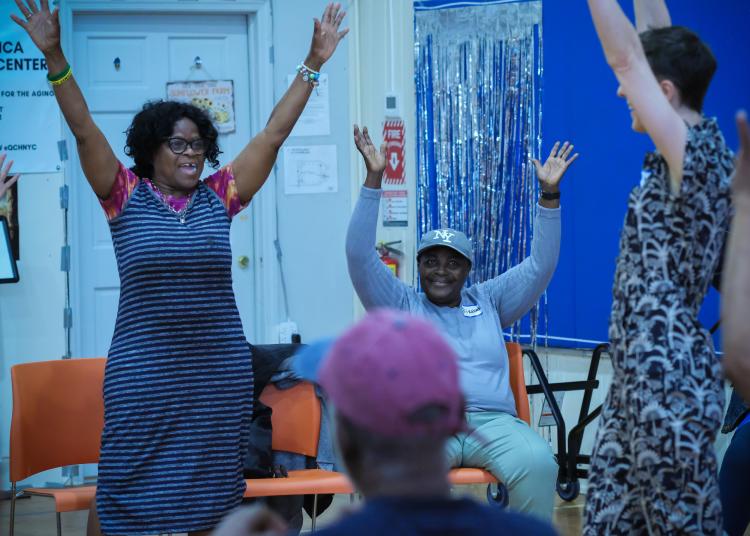
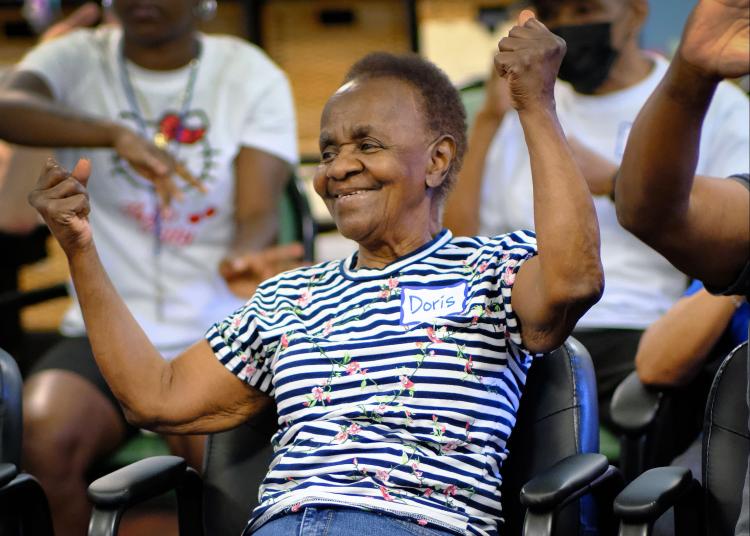
Participants engage in expressive group movement during dance sessions at a Jamaica Older Adult Center (left) and the Riverdale Adult Day Program in the Bronx (right), highlighting joy, inclusion, and social connection through dance. Photo credit: Nuria Rius
What the Evidence Shows and Where It Falls Short
The authors reviewed ten systematic reviews and meta-analyses involving over 6,300 older adults (aged 60+) with mild cognitive impairment (MCI) or dementia and evaluating diverse dance interventions, including ballroom, folk, tango, salsa, and dance-based aerobic programs, assessing their effects on cognitive domains (global cognition, attention, memory, executive function, psychomotor speed) and on physical mobility, mood, and quality of life. Overall, the findings are promising. Dance interventions produced significant improvements in global cognition when compared to control conditions, along with positive effects in specific cognitive domains—particularly attention and executive function—and in mental health, including reductions in depressive symptoms.
Yet these positive signals come with important caveats. The methodological quality of the included reviews was generally low to very low, and substantial heterogeneity exists across intervention types, populations, and assessment methods. Furthermore, most studies focus on individuals with MCI, leaving people living with dementia underrepresented. A critical gap, particularly from an equity perspective, is the geographic and socioeconomic distribution of studies represented in the umbrella review. Only a handful of studies come from low- and middle-income countries, despite these regions bearing a disproportionate share of the global dementia burden.
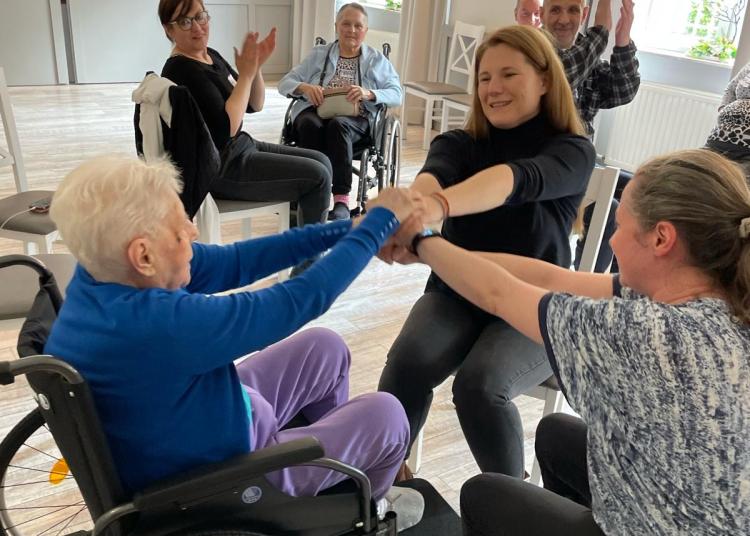
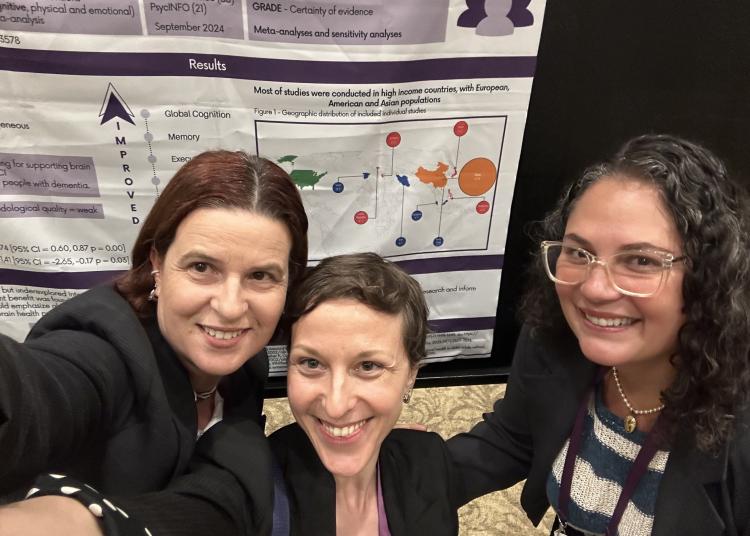
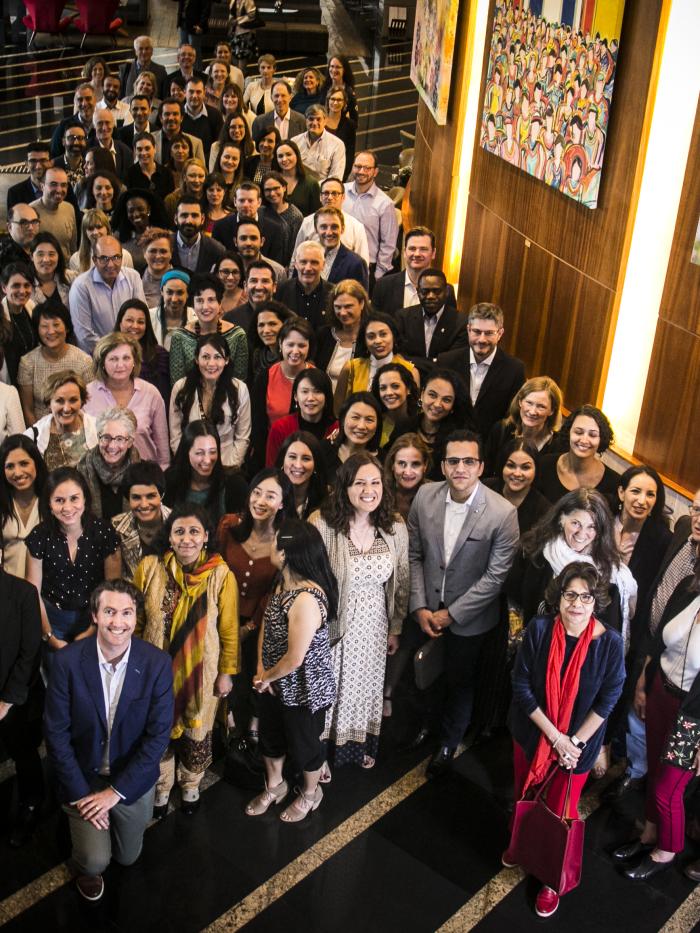
From a community dance session in Katowice, Poland (left) to the presentation of research findings on dance and cognition at the Alzheimer’s Association International Conference in Lima, Peru (right), these moments highlight how culturally grounded practice and scientific evidence come together in advancing brain health. Photo credits: Photo courtesy of project partners (left); photo courtesy of the authors (right)
From Promise to Action: What Comes Next
Several important implications emerge:
- Dance is a strategic tool for promoting brain health
Dance is inherently multimodal: it stimulates physical activity, motor coordination, rhythm, memory, attention, social interaction, and emotional expression. This complex integration positions dance as a uniquely powerful modality to strengthen multiple brain health domains compared with many traditional exercise interventions. - Advancing methodological rigor and standardization is needed for future research
To generate robust and translatable evidence, future research must use well-described protocols (type of dance, frequency, intensity, duration), consistent outcome measures, and diverse participant samples. This includes prioritizing studies in grossly underrepresented regions across the global south, low and middle income countries, as well as immigrant, gender and sexual minority, and rural communities in the global north. - Cultural relevance and global equity should be considered in future research
In many global cultures, including in Latin American and Central/Eastern European contexts connected to the authors’ own heritage, dance is a deeply embedded and valued cultural practice. This creates ideal conditions for community-based, socially meaningful, and highly adherent interventions. However, the lack of regional data reveals a missed opportunity to align cultural strengths with public health needs. - Cross-disciplinary partnerships for innovation are imperative for future study design and implementation
The combination of promising evidence and ongoing lack of consensus on measures and approaches underscores the need for closer collaboration across movement sciences, neuroscience, rehabilitation, arts education/practice, and public health. Such partnerships are essential to designing future research and supporting the translation of evidence into practice.
Dance can serve as a central component of prevention, intervention, and well-being strategies for brain health, but achieving this requires methodological rigor, cultural inclusion, and interdisciplinary collaboration.
—Atlantic Fellows Aline Haas and Magda Kaczmarska
In summary, the umbrella review does more than highlight the potential of dance, it challenges researchers, practitioners, and communities to move from promise to action. Dance can serve as a central component of prevention, intervention, and well-being strategies for brain health, but achieving this requires methodological rigor, cultural inclusion, and interdisciplinary collaboration. As one older adult participant from a community-based dance program reflected: “Dancing is universal and communal. This is something everybody can and needs to do in order to not only enhance our health but enhance international solidarity and community and bring us together.”
Postscript
Aline and Magda acknowledge and are deeply grateful to the following team of individuals who helped ideate, design, implement, analyze, synthesize, write and edit this manuscript. We are honored to work with you Raquel Prates, Danrlei Senger, Stefanie Piña-Escudero, Sophia Light, Maritza Pintado-Caipa, Petronilla Battista, Peggy Tahir, Erica Pitsch, Isabel Allen and Kate Possin. We also wish to honor and thank our respective community partners – the older adults, people living with dementia, care partners and community leaders without whom none of this work would be possible. Your dedication, presence and trust shape our compass, reminds us daily of the value of this work and inspires us to ensure that our collaborative practice of dance advances in awareness, rigor and equitable access for all.
Authors

Aline Haas, PhD
Dancer, Researcher

Magda Kaczmarska, MFA
Dance Artist
GBHI Members Mentioned

Stefanie Piña Escudero, MD
Geriatrician

Maritza Pintado-Caipa, MD
Neurologist

Petronilla Battista, PhD
Neuropsychologist