In this perspective, Brian Lawlor, GBHI Founding Director at Trinity College Dublin, shares insights from a recent webinar, exploring how museums and galleries can promote creativity, foster connection, and support brain health and well-being.
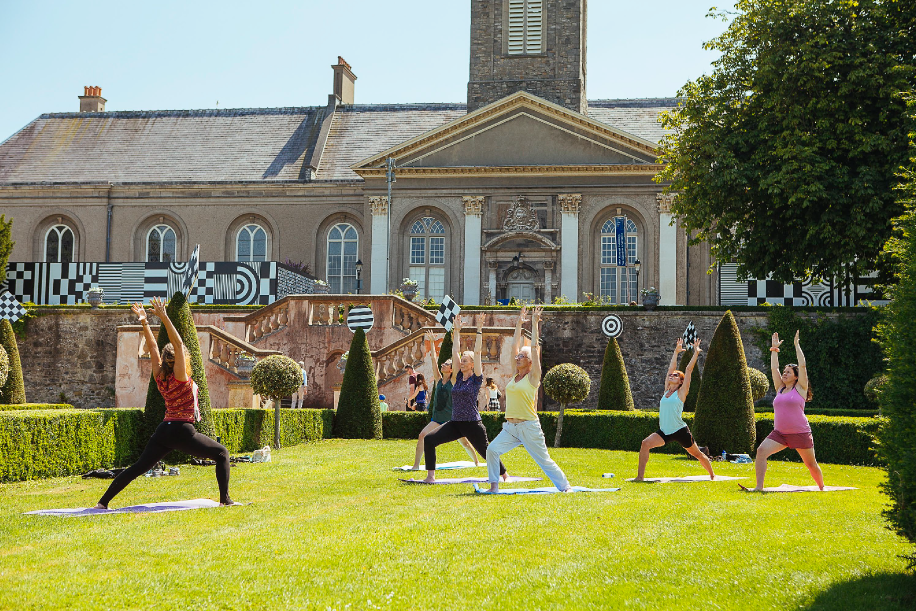
Irish Museum of Modern Art Summer Programme: Yoga with Paola Catizone
Museums and galleries are vital spaces where individuals and communities can come together for connection, well-being, and sense-making. Art in all its forms can stimulate the imagination, provoke curiosity, and generate emotions that can have a healing effect on both the body and the brain. And there is increasing evidence that visiting cultural spaces can reduce anxiety, lift depression, decrease loneliness, and potentially slow cognitive decline and lower the risk of developing dementia.
At the recent GBHI at Trinity webinar on ‘Why cultural spaces can make a difference to your brain health’, we learnt about the many examples of good practice for art and brain health that are happening in Irish museums and galleries from Sheena Barrett, Head of Research and Learning at the Irish Museum of Modern Art (IMMA), and Caroline Campbell, the Director of the National Gallery of Ireland. IMMA has several programmes designed specifically for people living with dementia. These include Slow Art and Azure, including Armchair Azure online, designed for people living with dementia and their families and friends, with a facilitator who has received special training in dementia-inclusive arts programming. At the National Gallery of Ireland, dementia-inclusive initiatives include facilitated in-person visits to the Gallery for people living with dementia, and online visits that can be enjoyed at home. Museums and galleries are connected globally and this presents an opportunity to disseminate practice across networks and learn from one another as we continue to adapt and develop cultural spaces for brain health locally and globally.
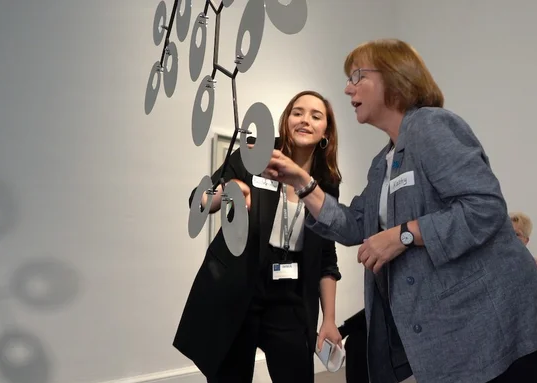
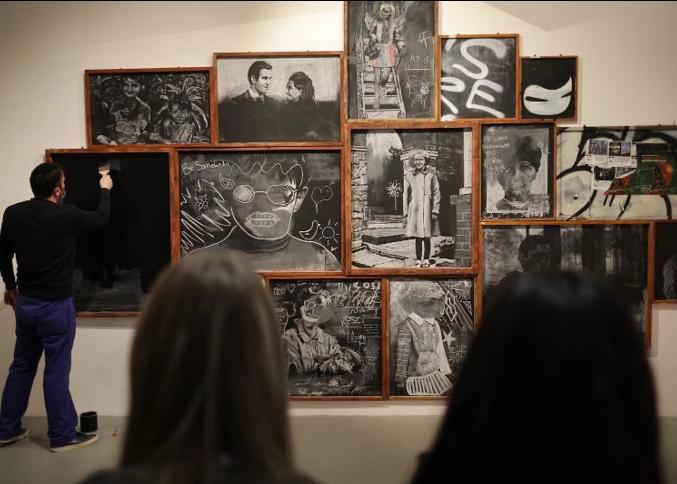
Slow Art at the Irish Museum of Modern Art (left) and Don't Forget to Remember at the National Gallery of Ireland (right).
Atlantic Fellow Brian Kennedy, leadership consultant and adviser to philanthropists and arts organisations, talked about the barriers and facilitators for museums in delivering on the promise of a brain health dividend. With the ageing of populations worldwide, the number of older people is rapidly increasing—yet cultural spaces are often not programmed or designed with their needs or brain health in mind. In the USA, through support from EA Michelson Philanthropy, we heard how 25 museums are being supported to address institutional ageism and offer create aging arts programs for older adults, and how six of them are currently being transformed into age friendly cultural spaces. Using design features to creatively stimulate the brain's innate plasticity could further amplify the power of cultural spaces to boost brain health.
But access to galleries and museums for people with disabilities, cognitive impairment and social disadvantage poses significant ongoing challenges. And there is a lack of awareness among museum directors, staff and the general public about the brain health benefits of cultural spaces, which must be addressed by targeted training and education programmes. Awareness of these challenges and interest in the solutions was evident in the questions and comments from the international audience that included participants from the USA, UK and Australia.
The panellists highlighted the opportunities for cultural spaces to act as powerful health-promoting environments, and this was further elaborated on by Atlantic Fellow Dominic Campbell, Director of Creative Aging International. Galleries and museums provide opportunities for all age groups to be stimulated by art, to be connected to their community and to turn on the tap of creativity, all of which is good for their brain health and wellbeing. Co-designing spaces within museums and galleries where older people can gather and engage with creative arts programming and interact across intergenerational spaces promotes a more inclusive and prosocial society.
The contributions from the expert panellists and global audience helped articulate where we need to go from here. To promote the brain health benefits of cultural spaces, we need greater co-creation and co-production with older people to understand what matters to them when they visit museums and galleries and what will encourage greater engagement and participation at the individual and community levels. Evaluation of the health and brain health benefits of engagement with cultural spaces must be carried out through surveys and studies that explore the brain mechanisms and brain circuitry affected when people visit museums and galleries. In parallel, we must continue to raise awareness of the brain health dividend of cultural spaces and to adapt them creatively, so they are welcoming and inclusive for all.
And given the interest in the topic from around the world, it’s a no-brainer that we need to keep this conversation on cultural spaces and brain health going!
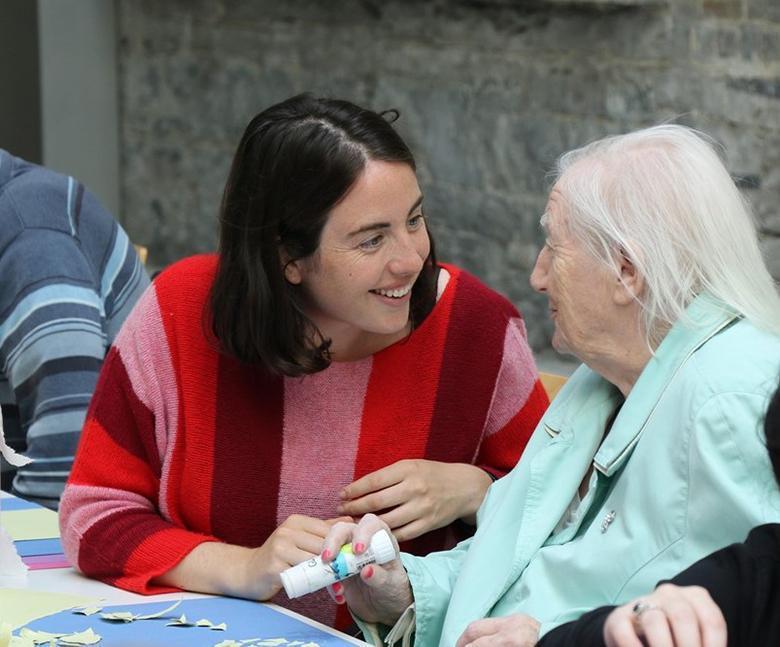
Participants at a dementia-inclusive workshop at the National Gallery of Ireland.
Authors

Brian Lawlor, MD, FRCPI, FRCPsych, MRIA
Founding Director, Trinity College Dublin
GBHI Members Mentioned
Brian Kennedy, BA, MA, PhD
Art Consultant

Dominic Campbell
Cultural Producer