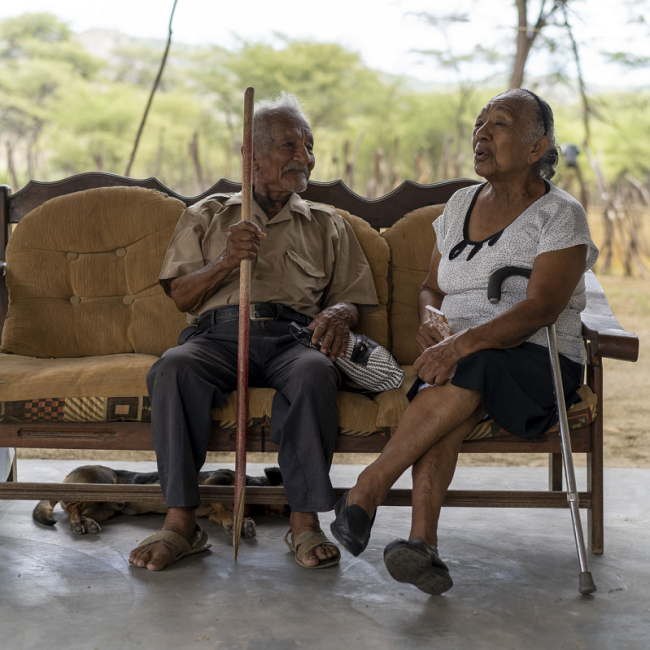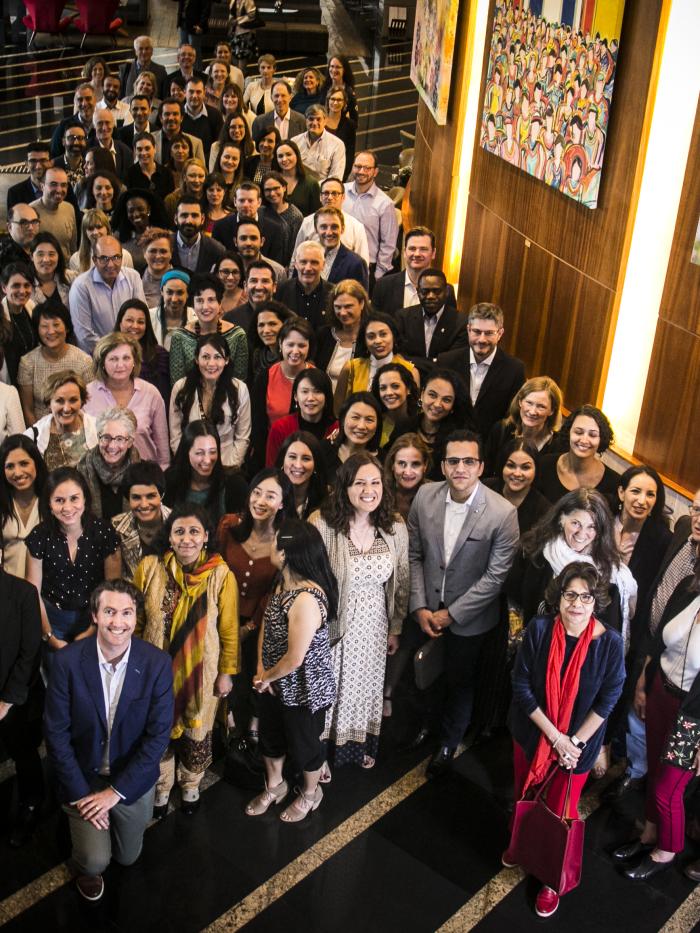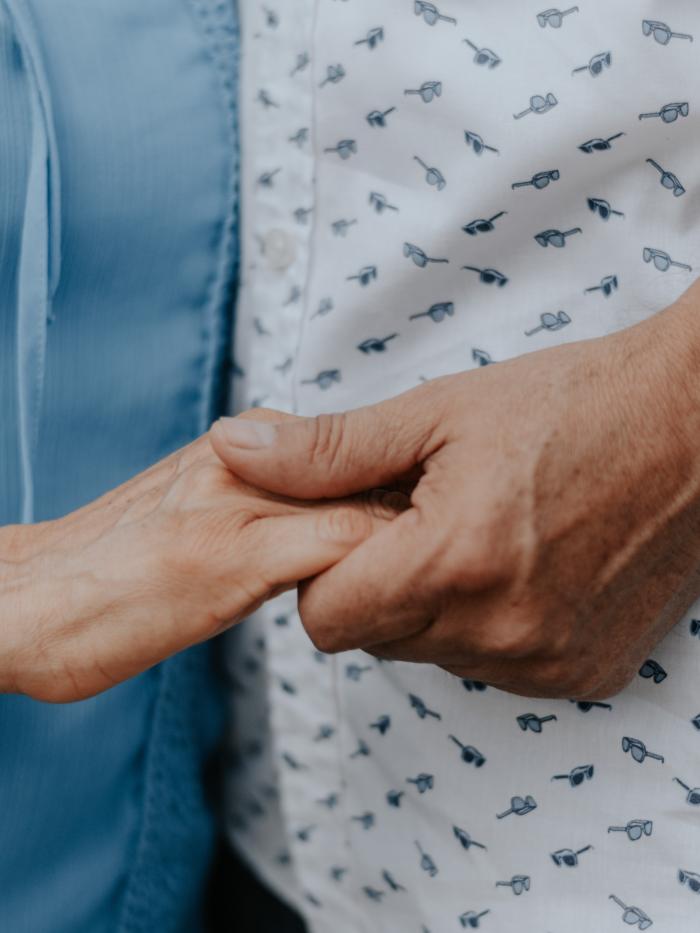
In this perspective, Atlantic Fellow Colin Regan reflects on Leadership Week in Limerick—a time for fellows to pause and connect, where rivers and bridges became metaphors for leadership: linking not just places, but thoughts and ideas, learning and potential—in short, worlds.
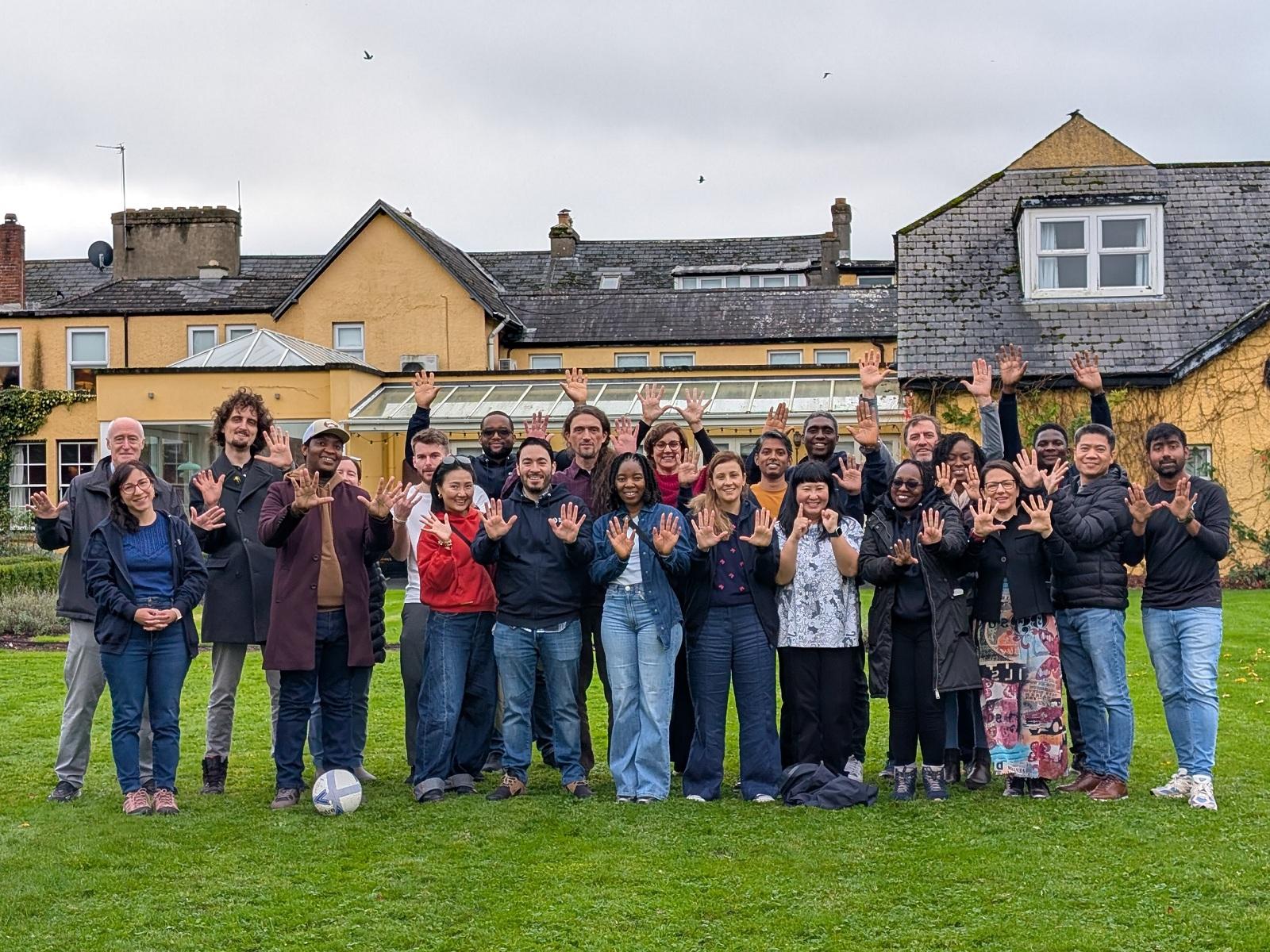
Atlantic Fellows, faculty and staff at Leadership Week 2025 in Limerick. Photographs courtesy of Rohith Khanna Deivasigamani.
To Lead One Must Occasionally Retreat
And so, it was with that intention that the 2025 cohort of Atlantic Fellows departed from the Global Brain Health Institute in Trinity College Dublin on a typical Irish autumnal day, Sunday, November 2nd, to make our way to Adare in county Limerick for the annual leadership retreat. For those uninitiated in the ways of the Irish weather, a typical autumnal day, like many typical Irish days, features meteorological phenomena applicable to all four seasons – sunshine, rain, wind, and a healthy if unpredictable variation in temperature. As the saying goes, if you don’t like the weather in Ireland, wait a minute.
The Trinity cohort, including the non-residential participants who were able to join us for the retreat, boasts none less than 17 nationalities. Each more familiar with the sun than your average Irish Homo sapien. So, as the only Irish native in the 2025 cohort, the first order of the week was to remind them that we all carry a little bit of the sun around inside us – we just need to find the right way of letting it shine.
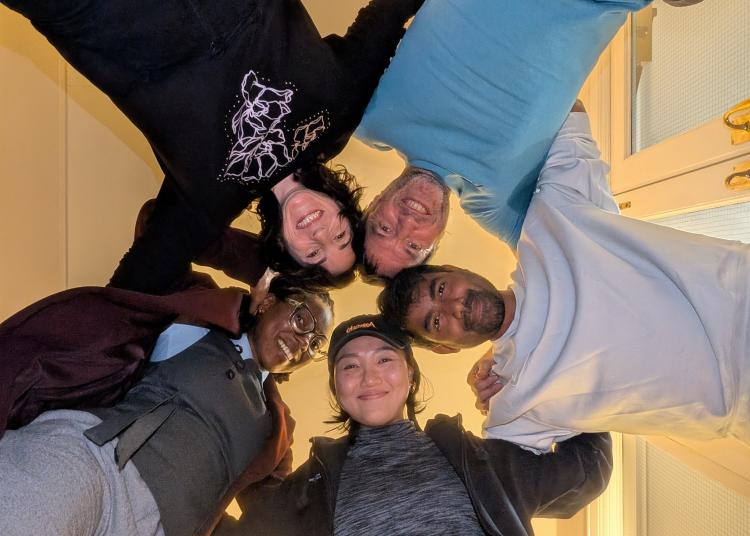
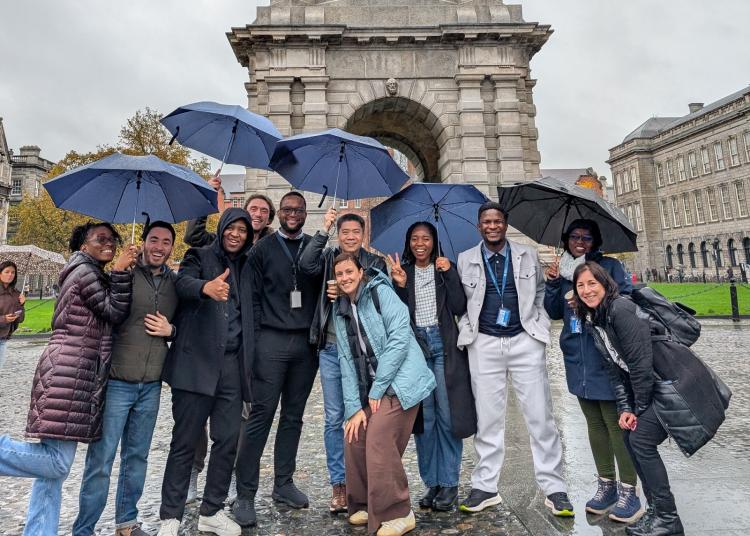
Left: Some of the tightly bonded group of fellows. Right: Enjoying the Irish weather in Trinity.
Over the course of our first two months of our fellowship, we moved swiftly through the storming and norming phases of our team dynamics and the tight bond within the group is testament to that. Now it was time to perform; for sometimes the best way of experiencing brain health is by getting out of your head and into your body, and out of your comfort zone and into a learning one, particularly if you can do this in the company of good people open to having a bit of fun.
The Positive Impact of the Arts on Brain Health
The positive impact of the arts on brain health and potential ways of measuring this without detracting from the artistic process or the participants’ experience has been a common topic of discussion amongst this year’s cohort. For artists, practitioners, and art enthusiasts, holding this tension can feel like dancing dangerously close to the old quip ‘it works in practice, but does it work in theory?’. For the scientists in the room, the desire to quantify and qualify is born from their world curiosity and a desire to better understand how we can synchronise with the rhythms of its inner workings.
It is the ability to hold this tension, in the occasionally paradoxical theatre where the arts and science dance, that enables transformational growth; where it is no longer possible to differentiate the leader from the follower, nor the dancer from the dance.
So, on the Monday night of our retreat, following a day exploring what leadership means and how it manifests, an Irish dance instructor from neighbouring county Clare, Ashley O’Toole, put us through our paces. From a cognitive perspective, we learned the moves that make up the ‘Siege of Ennis’, a typical Irish céilí folk dance, as well as how to difference between a jig and a reel.
On the emotional plane, we learned a little more about ourselves and our colleagues, and the power of music and movement and dance and connection. As many scientists know, studying laughter is no joke but if we could have bottled the giggling and sniggering, hooting and howling, emanating from the room during our hour of prancing about, it would have been amongst the greatest scientific breakthroughs of our time.
We explored many things over the course of our leadership week. Discussion during a visit to the Irish World Academy of Music and Dance located at the University of Limerick, a college that has benefitted enormously from the patronage of Chuck Feeney and his family, again focused on the blending of traditions, such as the influence that the Irish emigrant experience has had on our song, dance, language, and culture, and the rich and interesting blends that the new wave of immigrants into Ireland are lending to the Irish arts and culture sector and experience. Another reminder that growth occurs where worlds meet and expand.
A visit to Glenstal Abbey, home to a community of Benedictine Monks, struck a particular chord. Hidden away in a rustic corner of Limerick’s fertile ‘Golden Vale’, we were granted an audience with Glenstal’s former Abbott, Don Mark Patrick Hedderman, a renowned writer, philosopher, and a maverick in terms of his approach to life in a religious order. A fervent and articulate advocate of the arts as an essential lens through which to understand our place in this world and the intangible one around us, it is easy to come to such a learned man in expectation of the answers. But as with all wise men, he deflected most questions back to us with a wit and irreverence he claims essential for anyone considering a life sequestered from the real world with 30 odd men – his emphasis not mine! (If you are interested exploring some of his writing, I recommend Kissing the Dark: Connecting with the Unconscious, published by Veritas Publications, as a good starting point.)
It was appropriate that Limerick homed us for our leadership week, as it is also from Limerick that Professor Brian Lawlor, founding Director of GBHI at Trinity, originally hails. Over our days together, Brian presented to us a storied history of Ireland and the Global Brain Health Institute, and the life and contribution of Chuck Feeney. Surrounded as we were by water – the River Maigue, the Shannon Estuary – Brian asked us to reflect, much as water does, on the network of global Atlantic Fellows and consider the bridge as a metaphor for leadership: a way of connecting not just places, but thoughts and ideas, learning and potential – in short, worlds. How will you build yours?
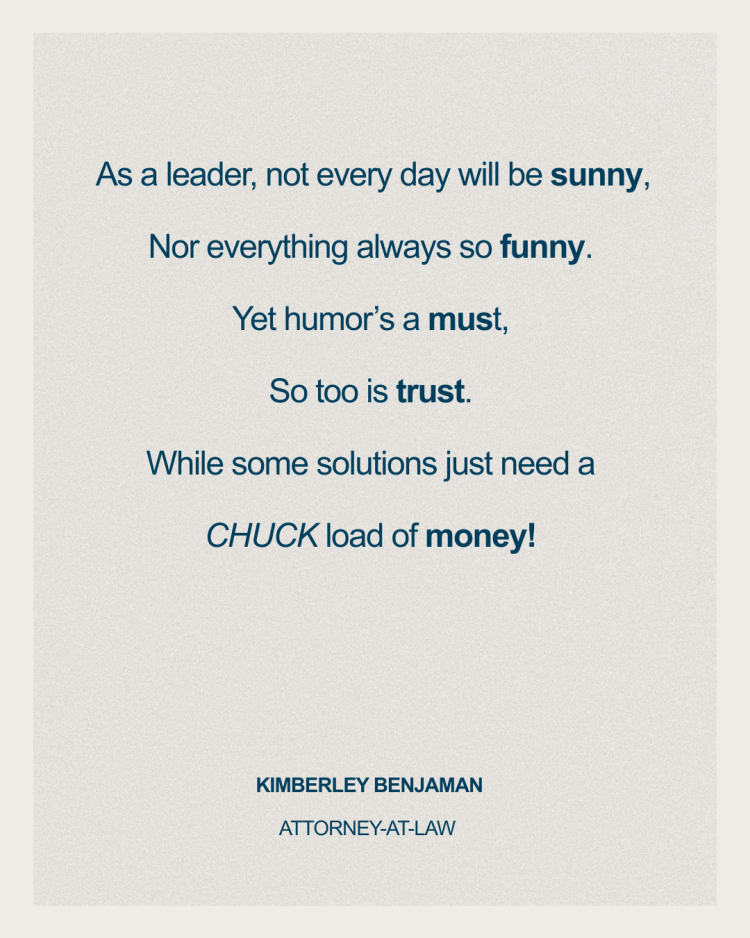
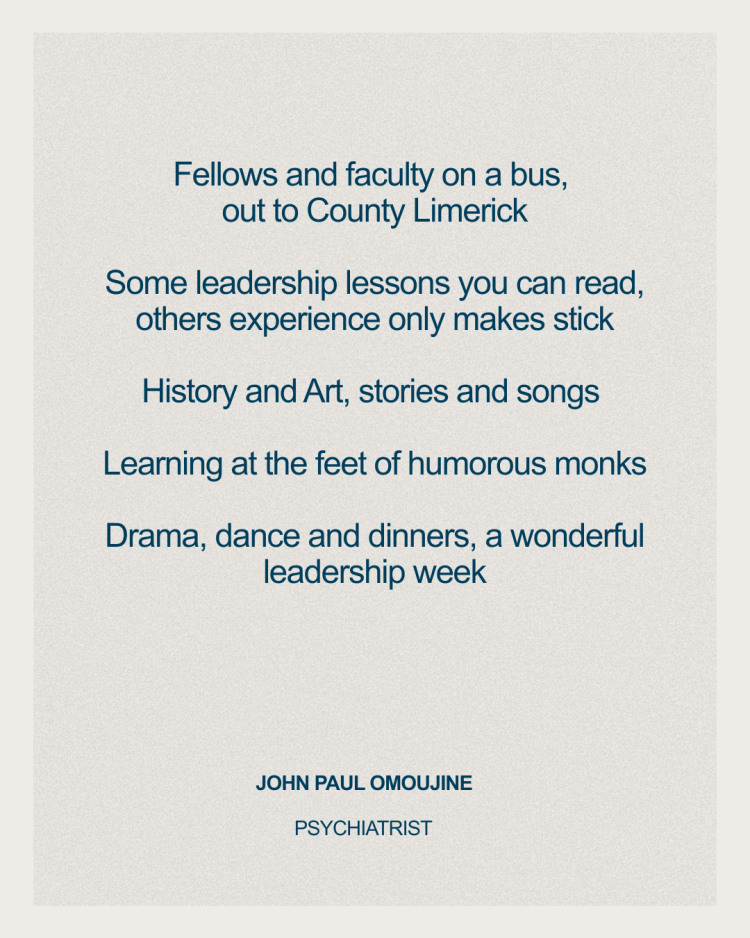
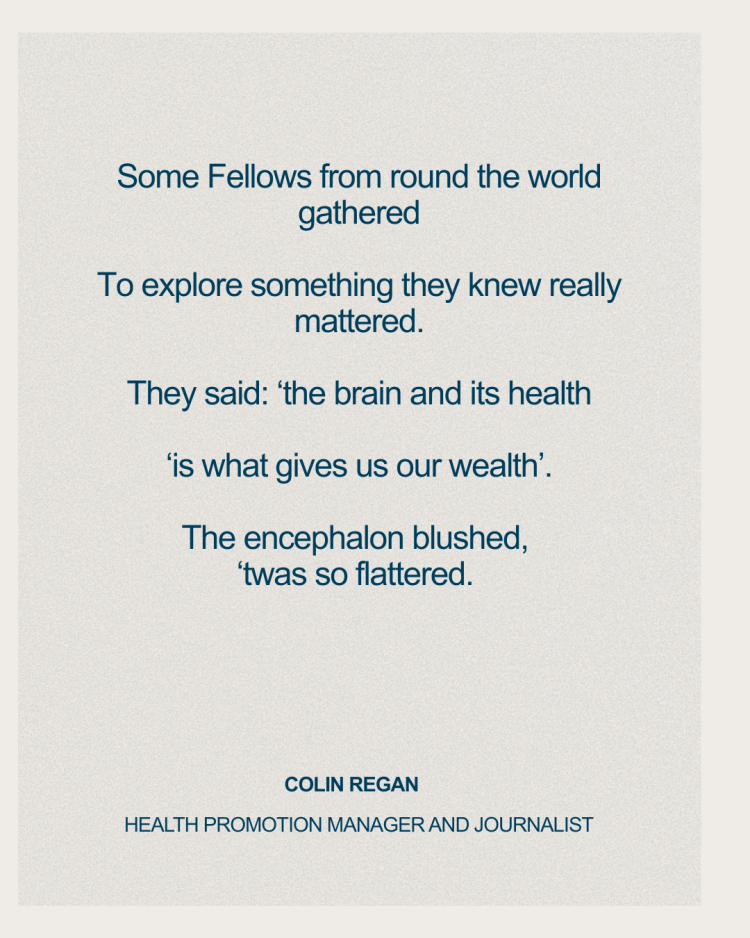
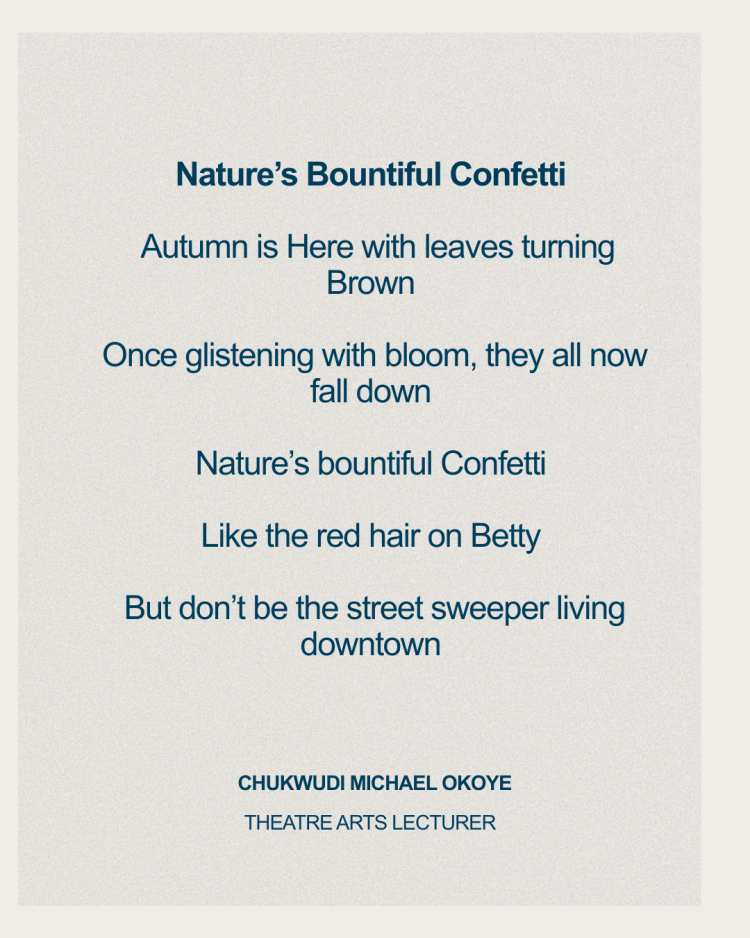
Atlantic Fellow Limericks
What point a trip to Limerick, were we not to produce a few. Here’s a sample of some of the Limerick’s penned by our Fellows:
Authors
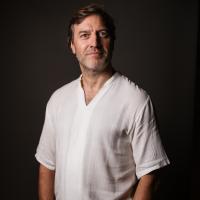
Colin Regan MSc, BA
Health Promotion Manager and Journalist
GBHI Members Mentioned

Kimberley Benjamin, LLM, LLB, BSc
Attorney-at-Law
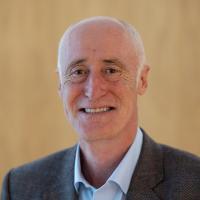
Brian Lawlor, MD, FRCPI, FRCPsych, MRIA
Founding Director, Trinity College Dublin
Chukwudi Okoye, PhD, MA, BA
Lecturer, Theatre Arts
John-Paul Omuojine, MBChB, FWACP,
Psychiatrist