In this perspective, Atlantic Fellows Adolfo García, Alex Kornhuber, and Sydelle Willow Smith share how they created a multilingual video campaign to raise awareness about the vital role of language in brain health.
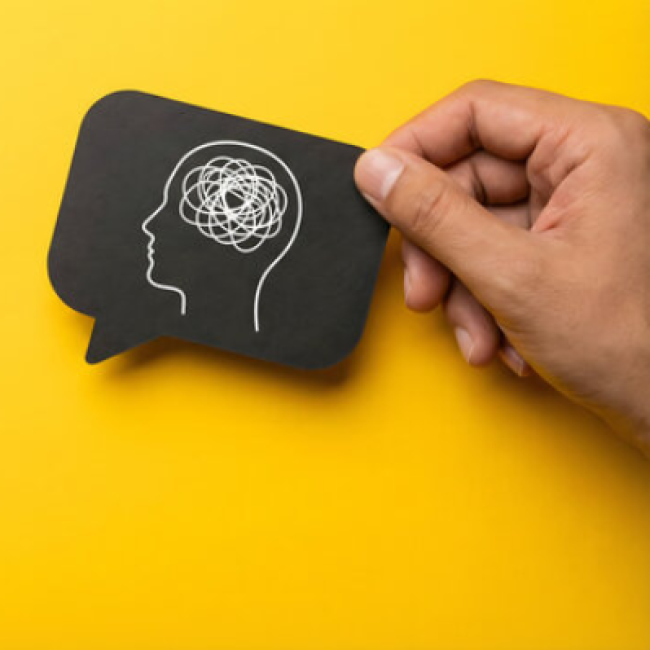
Language is central to brain health. Studying language helps all of us better understand brain disorders. Language assessments can detect conditions that primarily affect communication, like primary progressive aphasia, and can also help identify other diseases, including Alzheimer’s, Parkinson’s, and frontotemporal dementia.
Certain language experiences may even reduce risk. For example, multilingualism has been shown to protect brain health. Everyday activities like reading and learning new languages are also beneficial. Also, new speech testing technologies are making it possible to carry out large-scale screenings at low cost, helping to reduce inequities in low-income countries.
The impact of these advancements can be increased through awareness campaigns. Public health efforts can encourage more people to join research, continue treatments, and accept screening initiatives. Yet, most outreach tools are still designed mainly for English-speaking audiences, which deepens broader inequities around language research on brain health. Addressing this challenge calls for transdisciplinary collaboration integrating scientists, artists, and audiovisual communication experts.
Such was the vision behind “Language, your ally for brain health”, an audiovisual campaign conceived and designed by Atlantic Fellows for Equity in Brain Health Adolfo M. García (neurolinguist) and Alex Kornhuber (photographer ) together with Atlantic Fellow for Racial Equity Sydelle Willow Smith (filmmaker). Supported by a Connect Grant from the Atlantic Institute, the video was created through collaborative sessions on scientific content, design, montage, editing, and post-production. The visual content is free of written text, portraits, and culture-specific imagery so that it can be shared broadly across countries. It can also be adapted with voiceovers or subtitles in different languages.
Three messages are highlighted/emphasized:
- Language difficulties can be early signs of Alzheimer’s disease, Parkinson’s disease, and frontotemporal dementia. Identifying them can support timely detection and planning.
- Certain language habits protect the brain, such as sustained reading and foreign-language learning.
- Language itself is a key vehicle to awareness. Sharing this information through language helps spread understanding and reduce stigma. The call to action is clear: “Mind the word. Use the word. Spread the word.”
The initial release includes seven languages—two supported with voiceovers (Spanish, English) and five with subtitles prepared by native-speaking experts (Arabic, Chinese, French, Italian, Portuguese). Captions in more languages are underway. A dedicated playlist is available on the Global Brain Health Institute YouTube channel, here.
This project shows how science, art, and advocacy can work together to promote equity in brain health for all.