In this perspective, Camellia Latta reflects on recent visits to Brazil and Argentina, where Atlantic Fellows demonstrated the enduring power of the GBHI community through leadership, collaboration, and locally driven action.
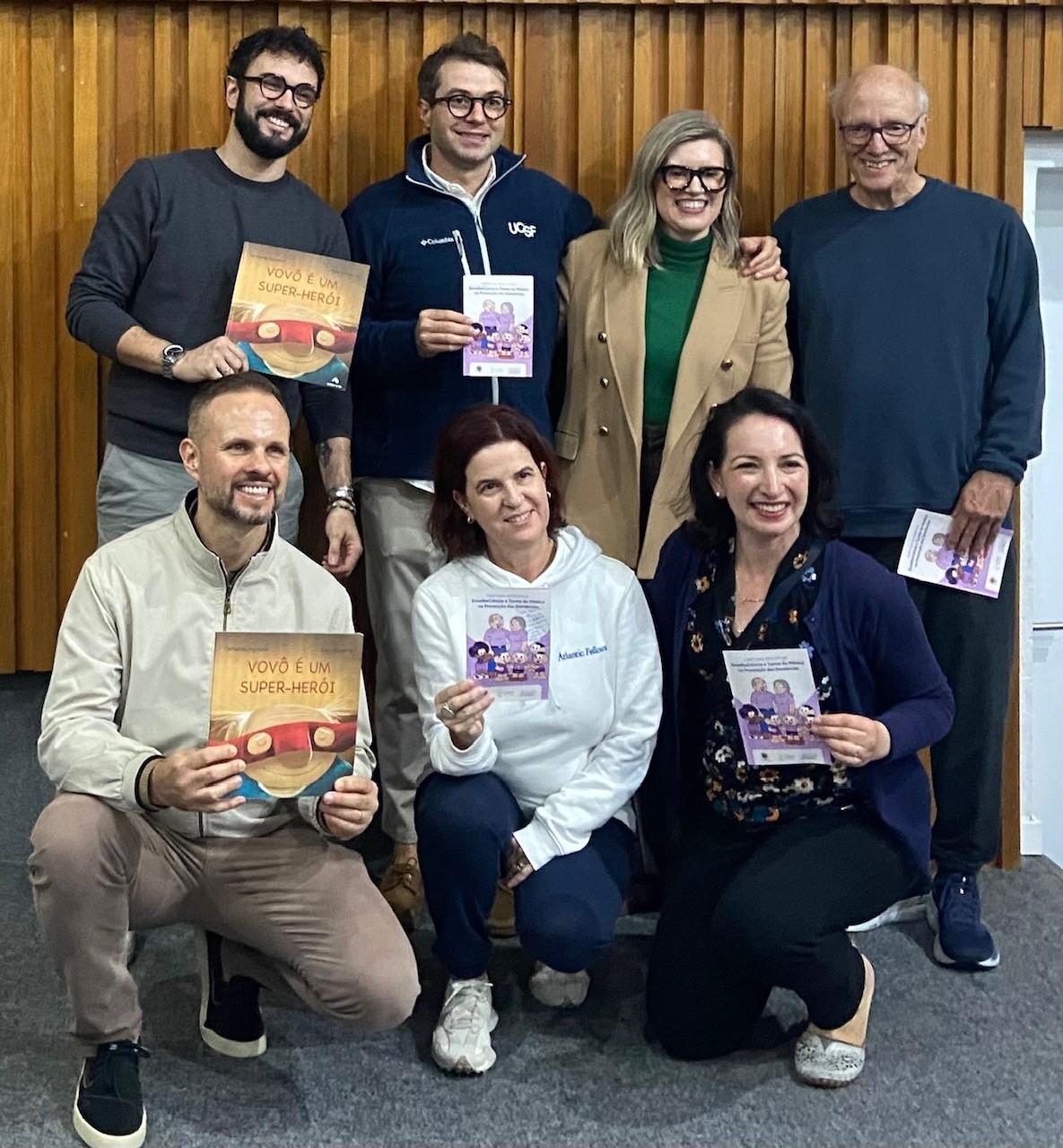
Fernando Aguzzoli Peres, Cristiano Aguzzoli, Márcia Cominetti, and Bruce Miller; Eduardo Danilo Schmitz, Aline Haas, and Camellia Latta gathered following a Brain Week community education event at SESC Porto Alegre, where Atlantic Fellows introduced children to brain health through storytelling, creativity, and movement.
As GBHI celebrates its tenth anniversary, a series of events in Brazil and Argentina in June 2026 offered a powerful illustration of what makes the Atlantic Fellows for Equity in Brain Health community unique. Across two countries, fifteen Atlantic Fellows convened partners, engaged communities, advanced research, and sparked new collaborations, demonstrating how relationships forged through a global fellowship continue to generate local action and global impact long after the fellowship year ends.
Brazil: Brain Health in Action
At the invitation of Atlantic Fellow Dr. Cristiano Aguzzoli, GBHI at UCSF Founding Director Dr. Bruce Miller, Advisory Board member Dr. Lea Grinberg, and I traveled to Porto Alegre, Brazil, where Cristiano, his team at the Instituto do Cérebro do Rio Grande do Sul (InsCer), and other Atlantic Fellows convened a series of events during Brain Week and the Congress on Brain, Behavior, and Emotions. The celebration transformed Porto Alegre into what local organizers described as the "Capital do Cérebro" (Brain Capital). Throughout the week, Bruce gave talks as a featured speaker, and nine Atlantic Fellows from Brazil showcased the breadth of expertise and leadership within the growing GBHI network.
Catalytic Community Outreach
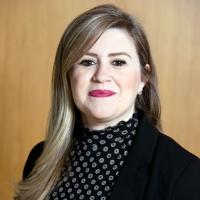
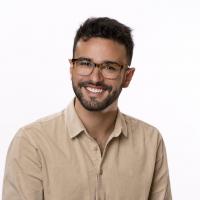
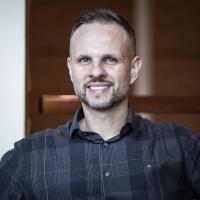
Community engagement was central. One of the first Brain Week activities focused on young people and brain health, creativity, and wellbeing. Atlantic Fellows Dr. Aline Haas, Dr. Márcia Cominetti, Fernando Aguzzoli Peres, Dr. Eduardo Danilo Schmitz, and colleagues led Do Lúdico ao Afetivo — Educação para a Saúde Cerebral ("From Playfulness to Affection: Education for Brain Health") at SESC Porto Alegre, a community center and accessible health club where Eduardo serves as longtime director.
The interactive program brought brain health concepts to life through movement, creativity, and storytelling. Students had read Fernando's book, Vovô e Um Super-Herói, in advance, participated in dance activities led by Aline, and received copies of a brain health booklet developed by Márcia through her GBHI Pilot Award project. Children lined up afterward for autographs and photos with the Fellows, demonstrating the power of engaging the next generation in brain health.
The following day, Cristiano and team organized a visit to the Vila Fátima University Extension Center, where we toured the Basic Healthcare Unit and learned about its longstanding work serving low-income and vulnerable communities through healthcare, education, and outreach. Research presentations and discussions with community members, trainees, and professionals demonstrated how research, clinical care, and community engagement can work together to address local brain health priorities.
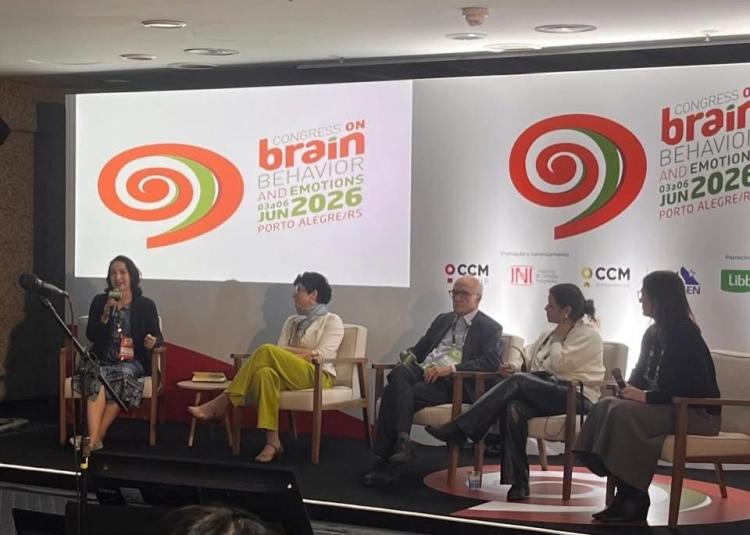
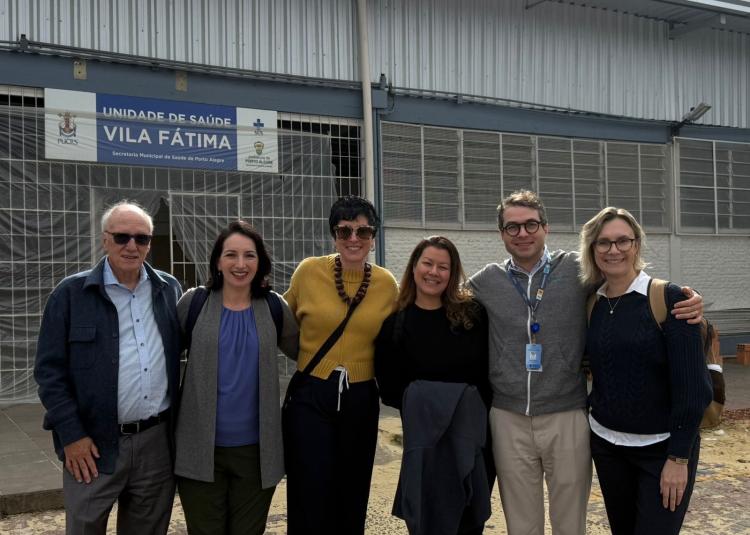
Across Porto Alegre, Atlantic Fellows brought together researchers, clinicians, community partners, and GBHI leaders to strengthen collaboration in brain health, from discussions at the Congress on Brain, Behavior, and Emotions to learning about community-based healthcare, education, and outreach at the Vila Fátima University Extension Center.
Innovations at InsCer and Bridging Generations
A visit to the Instituto do Cérebro do Rio Grande do Sul (InsCer) highlighted research and teaching underway in brain health. We had the honor of meeting with InsCer Director Dr. Jaderson Costa da Costa, a neurologist, neuroscientist, and the institute's founder. We learned about innovative work in frontotemporal dementia, epilepsy, CRISPR and brain health while seeing firsthand how science, creativity, and community engagement intersect.
One moving moment was meeting Cristian, his mother Cristiane, and stepfather Edison. Cristian developed symptoms of frontotemporal dementia at 24 years of age and is now in the advanced stage of dementia. His clinical syndrome and neuroimaging were reviewed at UCSF, and his story was published in 2022 in Neurocase. Cristian's family works closely Cristiano and his team as their son experienced the progression of frontotemporal dementia. Their determination to support him while contributing to research was a powerful reminder of why our work at GBHI work matters.
Cristiano also hosted a classroom discussion with students and trainees, who shared projects ranging from cognitive neuroscience to research examining the effects of air pollution on brain health in Brazil. Together, these encounters highlighted both the strength of local leadership and the promise of the next generation of researchers who are being cultivated in Porto Alegre.
A series of media interviews organized by Cristiano, his colleague Luisa Onofrio Kalil, and other members of their team brought conversations about brain health and dementia to national audiences, extending the impact of the visit well beyond the events themselves.
Interdisciplinary Insights: The Brain, Boléro, and Being
Science, art, and music came together at the Instituto Ling museum, reflecting the interdisciplinary spirit of GBHI at its best. Before a public discussion on creativity and neurodegenerative disease featuring Bruce Miller and Jaderson Costa da Costa, attendees were welcomed with a musical performance. Cristiano's band, Homem Café, played Maurice Ravel's Boléro, and I had the opportunity to join on flute.
The evening explored how neurological conditions can sometimes reveal unexpected forms of artistic expression. Presentations, discussion, and local media coverage demonstrated the public's appetite for conversations that connect neuroscience with questions about identity, creativity, and what it means to be human.
Alumni as A-FORCE
During a recognition ceremony, Bruce was honored by Atlantic Fellows and regional mentors for his contributions to advancing dementia research in Latin America and to the GBHI community. Regional mentor Dr. Sonia Brucki shared remarks alongside other members of the GBHI network, reflecting on Bruce's influence as a scientist, mentor, and educator.
Following his lecture on the historical landmarks of frontotemporal dementia, the enthusiasm and questions reflected growing interest in frontotemporal dementia research across Brazil and Latin America.
The Congress on Brain, Behavior, and Emotions provided another opportunity for exchange. Atlantic Fellows presented research, shared projects, and embodied the values that guide the GBHI community: Authenticity, Fairness, Openness, Respect, Courage, and Empathy.
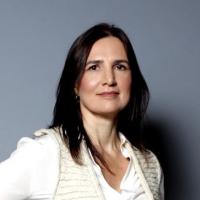
One session explored GBHI as a model for international collaboration in brain health equity, moderated by Atlantic Fellow Dr. Berenice Werle, with speakers Dr. Grinberg and Atlantic Fellow Dr. Maira Okada de Oliveira, joined during the Q&A by Dr. Miller and myself. Fellows shared initiatives spanning research, advocacy, public engagement, and policy, illustrating how the network is advancing brain health across Brazil. As Lea noted during the discussion, GBHI is ultimately about people, leadership, and both local and global impact.
There were many special informal moments throughout the week where the GBHI community was able to connect. Gatherings among fellows, regional mentors, and partners created opportunities to reconnect, exchange ideas, and imagine future collaborations.
Reflecting on the week, Cristiano Aguzzoli observed: "Bruce’s, Lea’s, and Camellia’s visit to Brazil is a testimony of GBHI's enduring support of fellows once they return to their home countries. We had an exciting schedule of activities and many opportunities to engage and collaborate across GBHI cohorts. Its impact will have lasting effects, influencing how senior academic and clinical leaders in Brazil perceive our work, leadership, and potential contributions to the field.”
Argentina: Advancing Neuro-Networks
Frontotemporal Dementia and Brain Health Symposium
The momentum generated in Brazil continued in Argentina, where Atlantic Fellow Dr. Nahuel Magrath convened colleagues and partners in Buenos Aires for symposium Frontotemporal Dementia and Brain Health: (G)local Approaches from Latin America, hosted by FLENI in collaboration with institutions including Universidad de San Andrés.
The meeting brought together six Atlantic Fellows and colleagues from across Argentina's brain health community. Presentations by Atlantic Alumni including Drs. Nahuel Magrath, Adolfo García, and Sol Fittipaldi, along with Ezequiel Surace and other colleagues, showcased work in frontotemporal dementia and brain health and created opportunities for regional collaboration. Discussions focused on scientific advances and how institutions can work together to improve prevention, diagnosis, care, and support.
Leadership representatives from FLENI, including Drs. Gustavo Sevlever and Ricardo Allegri, emphasized the importance of research, training, and international partnerships. Dr. Facundo Manes also joined the gathering, bringing perspectives from neuroscience, public engagement, and policy.
Reflecting on the event, Nahuel noted:
"Dr. Miller's visit to Buenos Aires was a unique opportunity to share knowledge and raise awareness among a large group of local researchers on FTD and brain health, while also providing the Argentine GBHI community with an excellent excuse to get together and brainstorm new collaborative projects."
His words captured one of the meeting's key outcomes: creating space for connection, learning, and future collaboration across institutions and disciplines.
The symposium included an open forum where Bruce met with residents, fellows, and early-career scientists, creating opportunities for mentorship and discussion about future directions in frontotemporal dementia research.
Art, Storytelling, and Dementia
The evening before the symposium, I attended Olivia, a powerful theatrical production led by Atlantic Fellow Dani Macri. The play explores memory loss and dementia through the experiences of its central character and was part of Argentina's local celebrations of GBHI's tenth anniversary.
Following the performance, audience members participated in a discussion about dementia, the intersection of arts and brain health, and GBHI. The experience reinforced the importance of storytelling and the arts in reducing stigma, fostering empathy, and helping communities discuss dementia. It was a reminder that advancing brain health requires not only scientific discovery, but also cultural engagement and public dialogue.
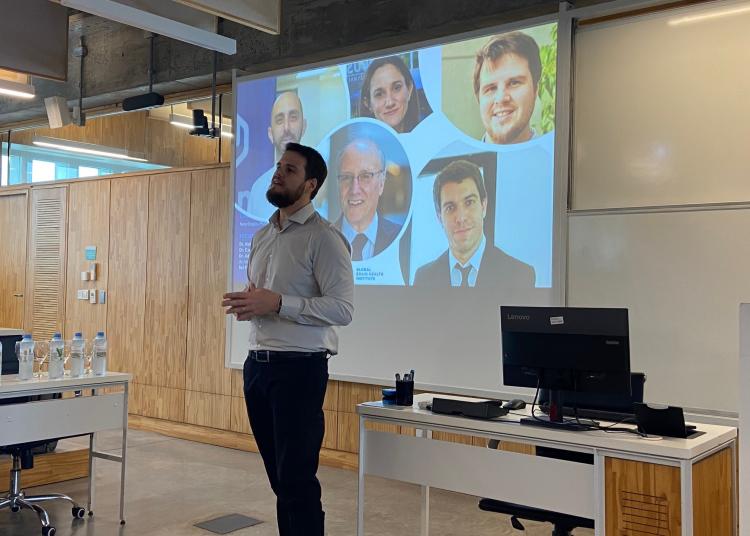
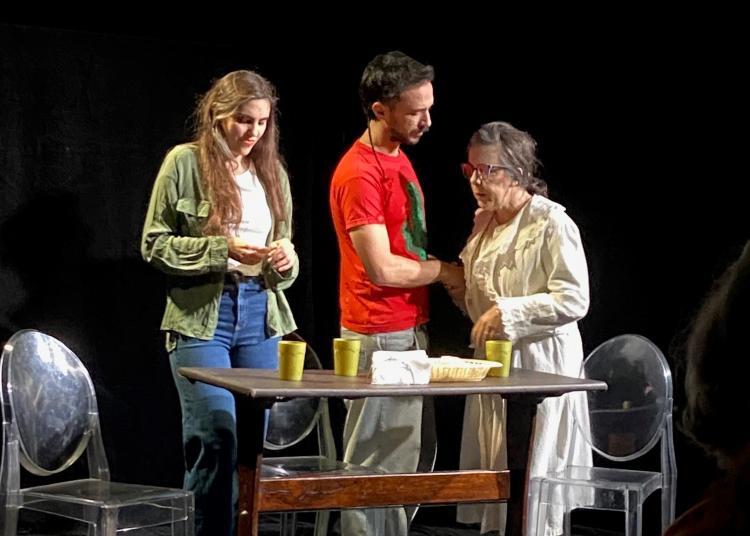
In Buenos Aires, Atlantic Fellow Nahuel Magrath convened researchers, clinicians, and Atlantic Fellows for a symposium on frontotemporal dementia and brain health, while Atlantic Fellow Dani Macri's play Olivia demonstrated how the arts can foster empathy and deepen public conversations about dementia.
Looking Ahead
Across both countries, Atlantic Fellows brought together diverse stakeholders to learn from one another and identify opportunities for collective action. These gatherings strengthened connections among fellows, engaged regional mentors, expanded relationships with institutional and community partners, and created opportunities for future collaborations.
As Bruce Miller reflected, "While one Atlantic Fellow can have a powerful influence, having many working together changes the world."
Whether through scientific innovation, community partnerships, education, mentorship, or artistic expression, Atlantic Fellows across Latin America are advancing brain health in ways that are locally grounded and globally connected.
As GBHI celebrates its tenth anniversary, these gatherings offered a glimpse of the next decade: a growing network of leaders working together to improve brain health in their communities and around the world. The fellowship may begin with a year at GBHI, but its impact continues through the relationships, leadership, and collective action that fellows carry forward long after the program ends.
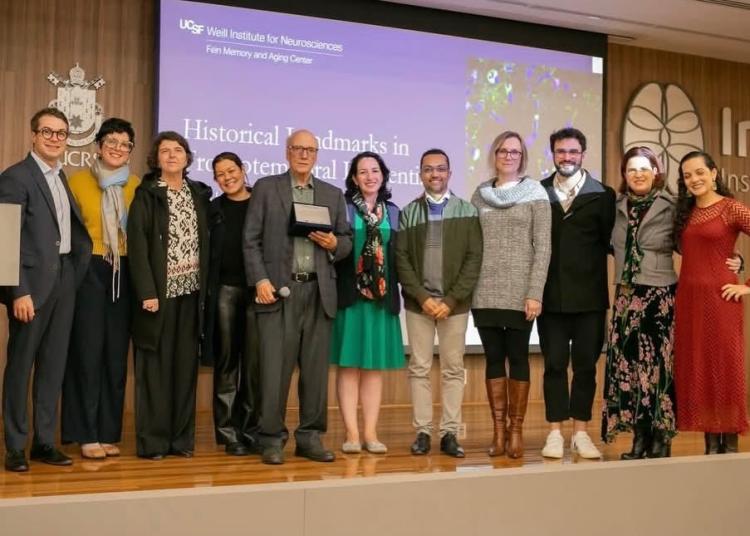
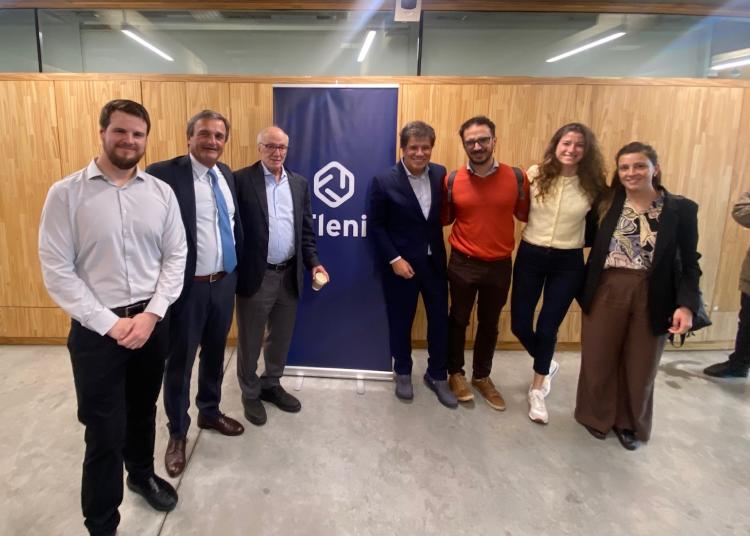
Bruce Miller was recognized by Atlantic Fellows and regional mentors in Brazil for his contributions to dementia research and the GBHI community. In Argentina, he joined Atlantic Fellows, colleagues, and institutional leaders at FLENI to strengthen collaboration in frontotemporal dementia and brain health.
Authors
Camellia Latta, MLA
GBHI Members Mentioned
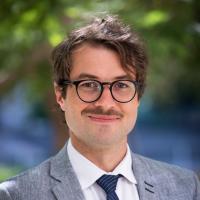
Cristiano Schaffer Aguzzoli, MD
Neurologist
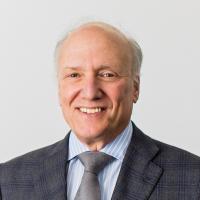
Bruce Miller, MD
Founding Director, University of California, San Francisco
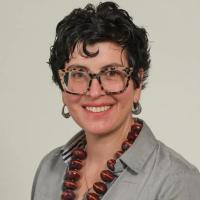
Lea Tenenholz Grinberg, MD, PhD
Neuropathologist and Neuroscientist
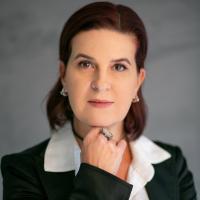
Aline Haas, PhD
Dancer, Researcher
Marcia Cominetti, PhD
Biologist
Fernando Aguzzoli Peres
Journalist & Writer
Eduardo Danilo Schmitz, MS, PhD
Director
Berenice Werle, MD, MSc
Geriatrician
Maira Okada de Oliveira, PhD
Neuropsychologist
Bárbara Costa Beber, PhD
Speech & Language Pathologist
Elisa França Resende, MD, PhD
Neurologist
Luciano Mariano, MS
Neuropsychologist
Nahuel Magrath Guimet, MD
Neuropsychiatrist
Adolfo M. García, PhD
Neuroscientist
Sol Fittipaldi, PhD
Neuroscientist
Dani Macri
Musician, Educator, Engineer
Lucía Pertierra, MD
Neurologist
Maria Eugenia Godoy, MSc
Project Manager